
Going to university with a food allergy: A student safety guide
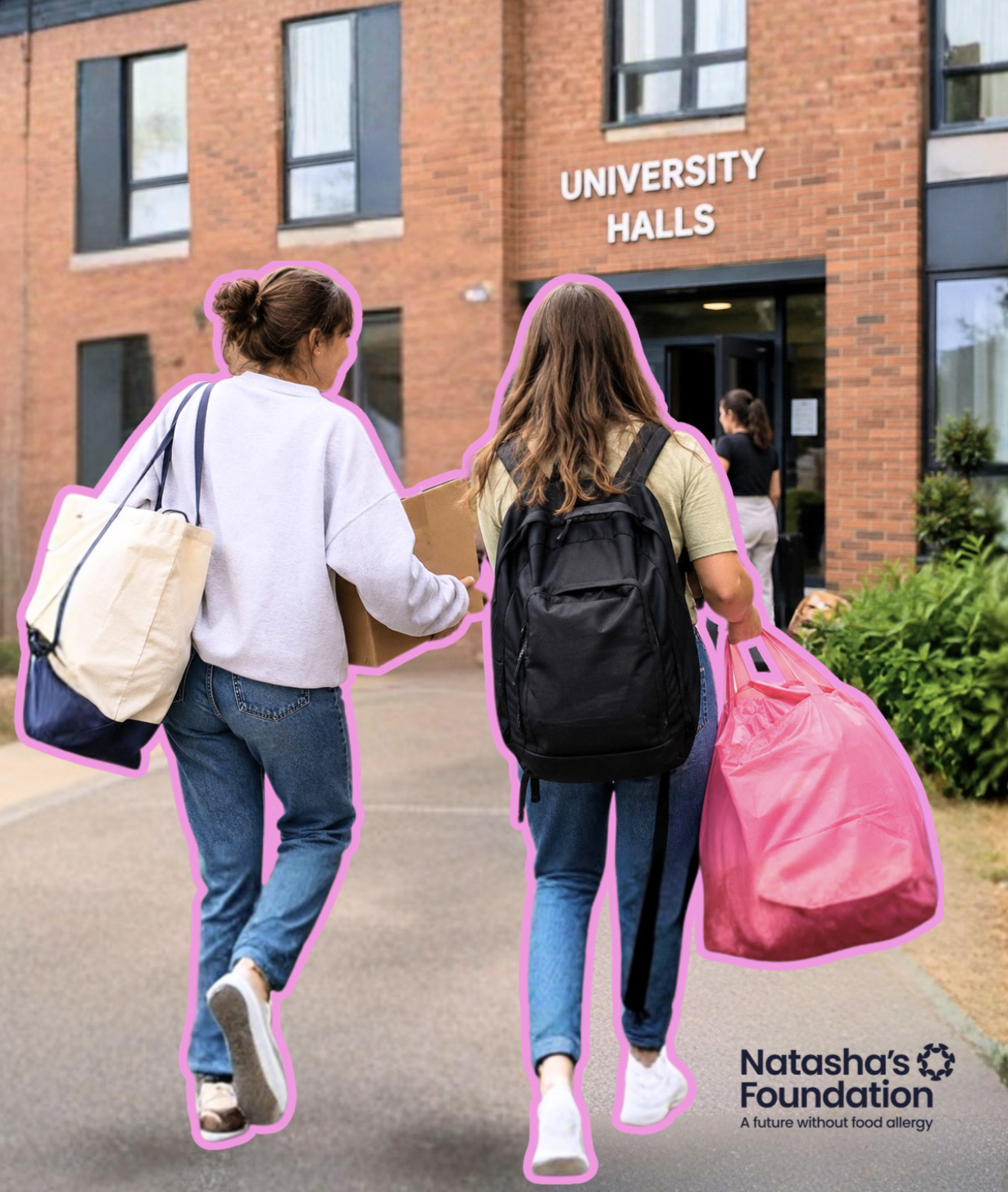
Going to university with a food allergy.
Here’s what to think about before you go to university with a food allergy
Moving to university is a big deal. New city, new people, new kitchen, new routines and, for many students, a first real taste of independence. If you have a food allergy, there can be an extra layer of things to think about too. It may be the first time you’re managing your food allergy away from home. Suddenly there’s a shared kitchen, new flatmates, university catering, nights out, takeaway orders at 2am and new relationships to navigate. And the people who have always known exactly what to do if you have an allergic reaction might not be there.
That can feel daunting, but having a food allergy shouldn’t stop you enjoying university. A little preparation, some honest conversations and making sure the people around you know what you need can make a huge difference.
Heading to university with a food allergy?
Download our FREE Starting University with Food Allergy guide for practical advice to help you prepare, stay safe and feel confident away from home.

University students in a shared kitchen discussing food allergy safety.
Talk to your flatmates about your food allergy
Nobody wants their first conversation with new flatmates to feel like a lecture, but if you’re sharing a kitchen, they do need to understand what can help keep you safe.
Talk to them about your food allergy early. Explain any precautions you need to take, which might include cleaning surfaces properly, using separate equipment where needed, keeping certain foods separate and checking before sharing food. It is much easier to have this conversation before someone enthusiastically offers you dinner from a pan you know nothing about. You should also make sure the people you live with know where you keep your adrenaline auto-injectors (AAIs) and what to do if you have a serious allergic reaction.

Always carry 2 AAIs
Make sure someone knows what to do in an allergy emergency
Your new friends and flatmates don’t have to become food allergy experts. But the people around you should know the basics.
Make sure someone you trust knows:
Where you keep your two AAIs
How to recognise the signs of anaphylaxis
How to use your AAI
To call 999 in an emergency.
It can feel slightly awkward bringing this up with people you have only just met, but it is an important conversation.

Having a food allergy does not mean missing out
Food allergies and Freshers’ Week
University life does not just happen in lecture theatres. Freshers’ Week, club nights, student bars, society events, house parties and late-night food runs are all part of the experience for many students. Having a food allergy doesn’t mean missing out, but it does mean thinking ahead.
Before a night out:
Keep your two AAIs with you, tell the people you’re with about your allergy and check allergen information before eating or drinking anything unfamiliar.
Be particularly careful with drinks if you don’t know exactly what is in them, and don’t share food or drinks if you are unsure whether they are safe for you.

Kissing matters with food allergy
Kissing matters
Food allergens can be transferred through kissing.
If you have a food allergy, make sure a partner knows about it. Depending on your allergy, you may need to talk about what they have eaten before kissing.
It might not be the conversation anyone imagines having during Freshers’ Week, but it matters.
Be careful with late-night takeaways
The 2am takeaway still needs an allergy check. When you’re hungry, tired and everyone else is ordering food, it can be tempting to rely on an allergy box or the notes section of an ordering app. Don’t rely on these alone.
Check the food business’s allergen information and contact them directly about your food allergy if you need more information.
Ask about ingredients and the risk of cross-contact.
If you are not confident a meal is safe for you, don’t order it.

You don’t have to manage food allergy and university alone
Sort prescriptions, AAIs and your new GP before university starts
This is probably not the most exciting item on your university checklist, but future you will be very glad you sorted it.
Once you know where you are living:
Register with a local GP and make sure your prescriptions are organised.
Check that your AAIs are in date and arrange replacements if necessary.
It is also worth adding your food allergy, medication and emergency contacts to the emergency medical information on your phone.
Doing the boring admin before you need it is considerably easier than trying to work it out during an emergency.
Tell your university about your food allergy
You don’t have to manage everything alone. Before arriving at university, contact the relevant teams and tell them about your food allergy.
Depending on your university, this might include:
Student support or disability services
Your university accommodation team
University catering services.
Ask what allergy support is available and what adjustments can be put in place. If you will be eating in catered accommodation or regularly using university food outlets, speak to the catering team about how they manage allergens and cross-contact. The earlier you start these conversations, the more time there is to put support in place before term begins.

Universities have a role to play too
Managing food allergy should not fall entirely on the student. Universities also have an important role in creating safe, inclusive environments for students living with food allergies. Through Allergy School, Natasha’s Foundation’s education programme, we are working with universities to help create more allergy-aware campuses.
Our resources help students, peers and staff understand allergen risks, recognise and respond to allergy emergencies and build safer, more inclusive university communities.
Food allergy is coming to university with you
Going to university is about much more than managing your food allergy. Meet your flatmates, join the society, get involved with the Students’ Union, stay out too late and discover what you can cook with one saucepan and a suspiciously small fridge shelf.
Find your people. Your food allergy is part of what you need to manage, but it doesn’t have to define your university experience. Preparation, honest conversations and knowing what to do in an emergency can help you start university feeling more confident and ready for what comes next.
Download our FREE Starting University with Food Allergy guide
If university packing is happening in your house right now, download our FREE Starting University with Food Allergy guide.
It is packed with practical advice to help students prepare for university, manage their food allergy away from home and feel more confident navigating everything from accommodation and eating out to nights out and emergencies.