
What does eczema have to do with food allergy?
Eczema and food allergy: Natasha’s story
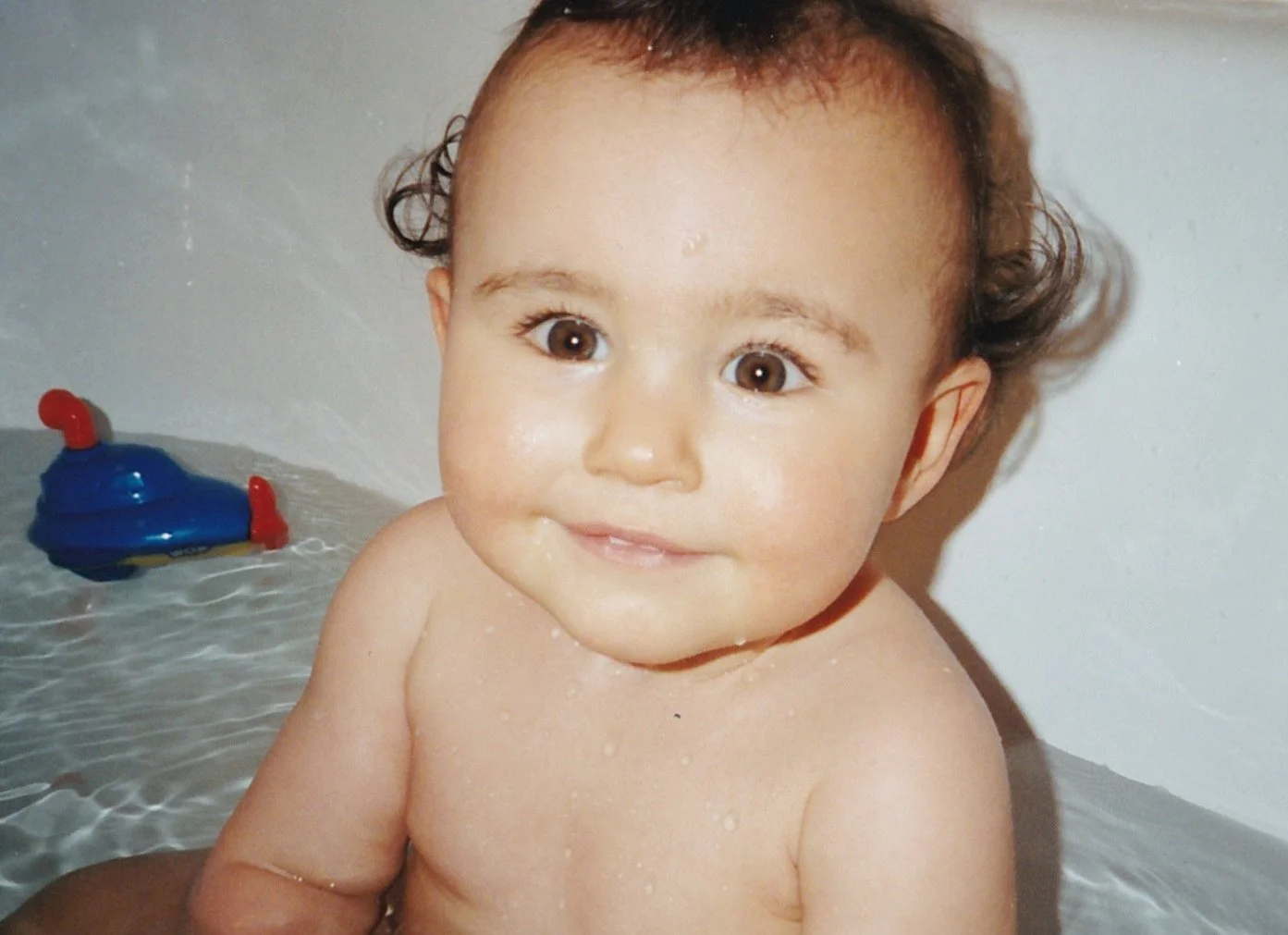
Natasha had painful eczema as a baby
By Tanya Ednan-Laperouse OBE, Co-founder of Natasha’s Foundation
When Natasha was a baby, she had painful eczema.
One evening, as we prepared to bathe her in a well-known bath cream, heavily marketed for babies and children with eczema, Natasha’s father looked at the ingredients and said to me, “Did you know this contains peanut oil?”
I had no idea, I hadn’t seen anything worrying in the ingredients, but there it was, written in French: huile d’arachide. I don’t speak or read French. I couldn’t believe we had been bathing our daughter for at least seven months in a product containing peanut oil without knowing it was there.
We already knew Natasha had food allergies, and this felt so dangerous. She had already experienced two anaphylactic reactions to milk and banana, and we dreaded the possibility of her also being allergic to other foods, such as peanuts.
I made a complaint to customer services but never heard back from them. This was many years ago and, thankfully, the product no longer contains peanut oil.
But that experience has stayed with me.
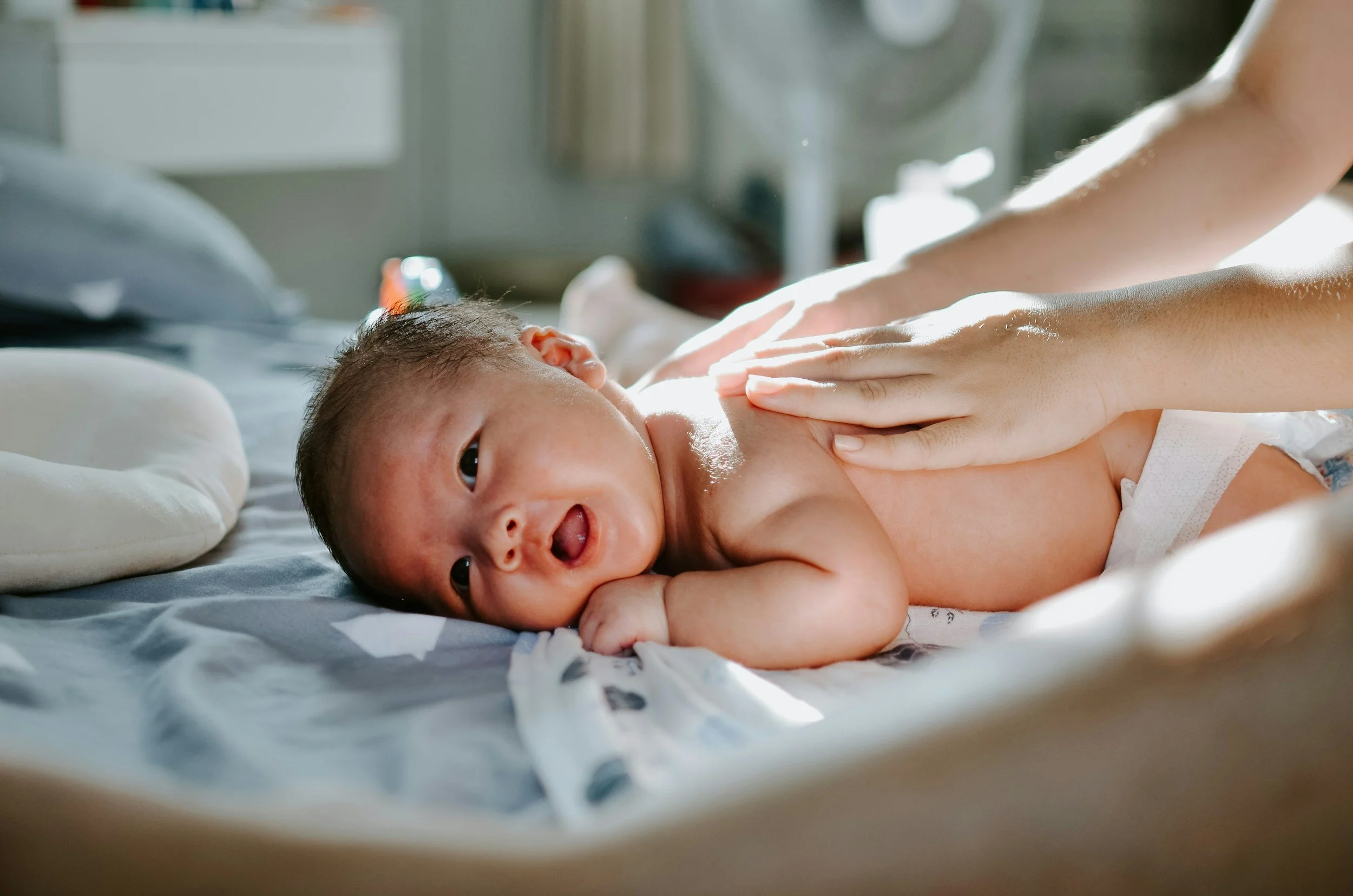
Protect the skin barrier
What do we now know about eczema and food allergy?
Now, we understand much more about the relationship between eczema and food allergy.
Babies and young children with eczema have a higher risk of developing food allergies. Research suggests that when food proteins come into contact with broken or eczema-affected skin, rather than being eaten, the immune system can become sensitised to them.
This is one of the reasons why looking after the skin barrier in babies and young children with eczema is so important.
Keeping eczema-prone skin well moisturised with suitable emollients, creams and ointments can help protect the skin barrier. Your child’s doctor or healthcare professional can advise you on the most appropriate products to use.
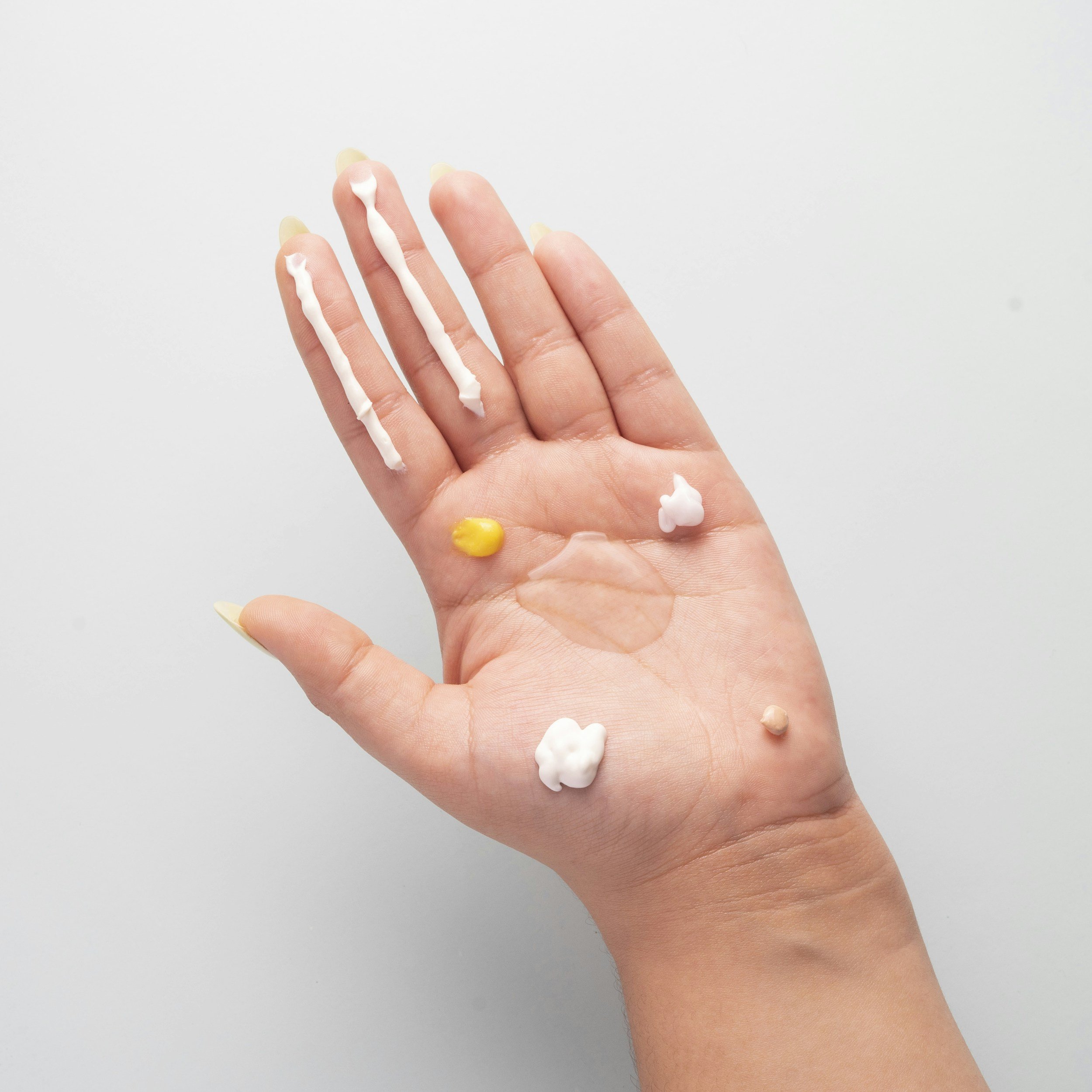
Skincare products can contain food derived ingredients - always check the label.
Check what is in skincare products
Something I learnt all those years ago is that what is in a skincare product may not always be immediately obvious from the name on the label.
Skincare products can contain food-derived ingredients. Depending on the product, these may include:
Unrefined food oils, including almond, sesame seed, macadamia nut and peanut oils.
Ingredients derived from foods such as oats, wheat and avocado.
Ingredients derived from milk or egg, as well as honey and beeswax.
Olive oil, which is also used in some skincare products. Research has raised questions about the effect of some forms of olive oil on the skin barrier.
This doesn’t mean every ingredient listed above will be unsuitable for every child. If your baby or child has eczema, speak to your doctor or healthcare professional about the most appropriate products for their skin.
And check the ingredients carefully. I know from our own experience how easy it can be not to recognise what an ingredient actually is.
Was eczema part of your family’s allergic journey?
Looking back now, knowing what we know today, those early years of Natasha’s eczema have taken on a different significance for me.
There is still so much we need to understand about why some children develop food allergies and others don’t. It is one of the reasons research into the prevention of food allergy is so important to us at Natasha’s Foundation.
If your baby or child has eczema and you are concerned about food allergy, speak to your GP or another qualified healthcare professional for advice.
Natasha’s Foundation does not provide medical advice. All medical information is sourced from reputable medical sources, experts and publishers. Always seek the advice of your doctor or another qualified healthcare professional.