
Anaphylaxis on a Qatar Airways flight has cost a young person's life
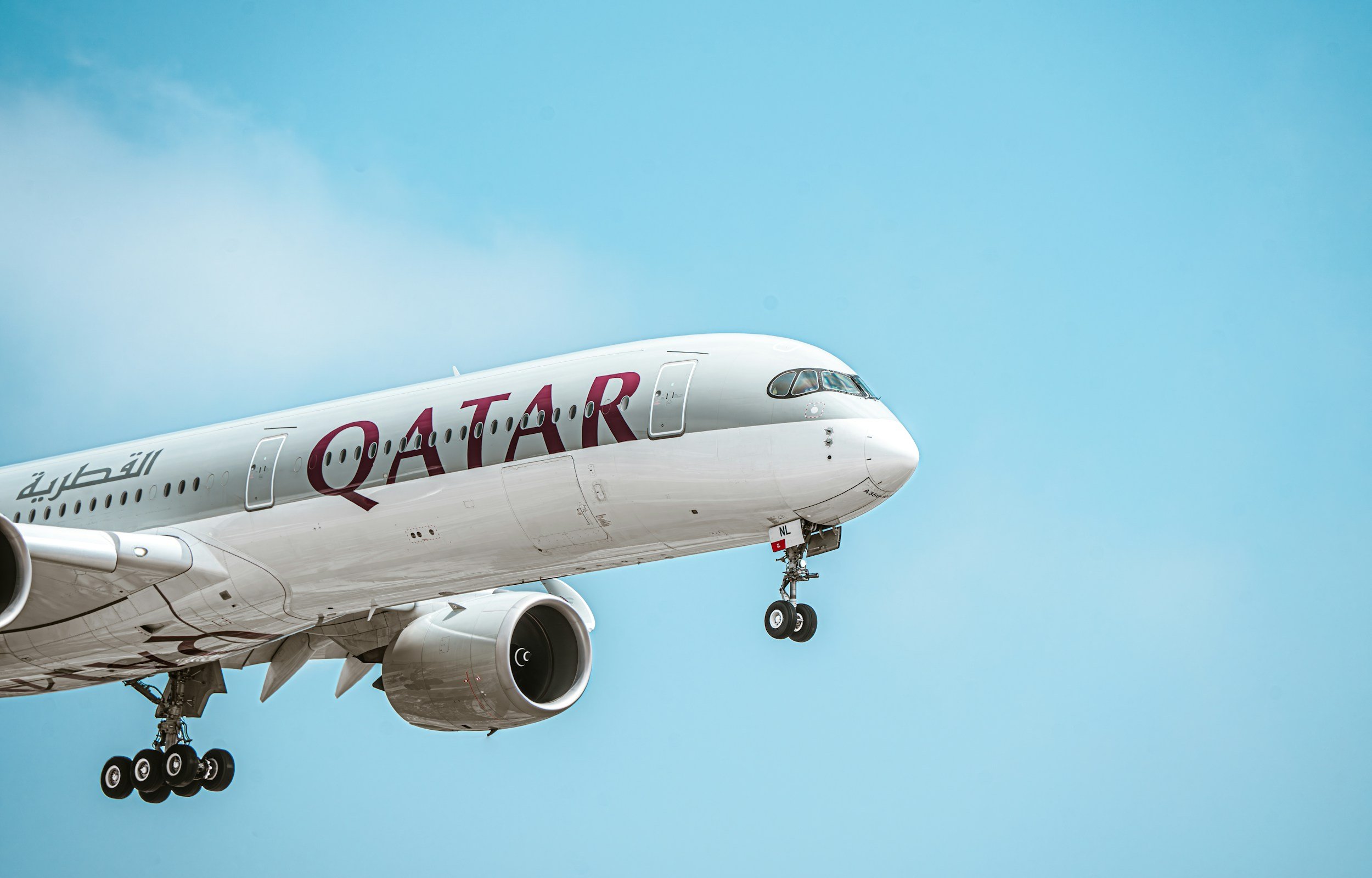
Anaphylaxis on a Qatar Airways plane has cost a young person his life
The family of 16-year-old Jason Hu who died from anaphylaxis while onboard a Qatar Airlines plane have filed a lawsuit as they seek answers.
At Natasha's Foundation, we continue to call for meaningful improvements to help ensure people with food allergies can travel safely and with confidence. Jason's death is a heartbreaking reminder of why this work is so important.
According to a lawsuit filed by Jason's family, he was travelling with his father and sister on a Qatar Airways flight from Doha to New York in August 2024. Jason had severe allergies to peanuts, dairy and fish.
The lawsuit states that before accepting a sandwich from the cabin crew, Jason and his father informed a flight attendant about his food allergies and were assured that the sandwich was safe for him to eat.
Within minutes of eating the sandwich, Jason developed breathing difficulties consistent with a severe allergic reaction. According to the lawsuit, the cabin crew administered an injection, believed by the family's legal team to have been adrenaline (epinephrine), before attempting to provide oxygen using equipment that was reportedly not working.
Jason later collapsed and was pronounced dead after the aircraft landed at John F. Kennedy International Airport in New York.
The legal action names both Qatar Airways and its ground-based medical support provider, MedAire. It alleges failures relating to allergen communication, crew training, emergency procedures, emergency medical equipment and the medical response provided during the flight. These allegations have not yet been tested in court.
For millions of people with a food allergy, flying can be the most stressful part of travelling
Why this case matters
For millions of people living with food allergies, flying can be one of the most stressful parts of travelling.
Airline policies vary widely. Information about allergens in food served on board is not always easy to access, and the support available for passengers with food allergies differs between airlines. When a severe allergic reaction happens at 35,000 feet, passengers are entirely reliant on the information they have been given, the training of cabin crew, and access to appropriate emergency medication and equipment.

Natasha’s Foundation is calling for stronger protections for people with food allergy
Natasha's Foundation is calling for stronger protections
Jason's death reinforces the urgent need for consistent protections across the aviation industry.
Natasha's Foundation is calling for:
Clear and consistent allergen information for all food served on board aircraft.
Better allergy awareness and emergency response training for airline staff.
Clear procedures to support passengers with food allergies before and during flights.
Reliable access to appropriate emergency medical equipment and life-saving medication.
Greater consistency across airline policies so passengers know what to expect before they travel.
These are practical steps that could help improve safety and confidence for millions of passengers living with food allergies.

Natasha Ednan-Laperouse
This is why our campaign continues
Jason's death comes nearly a decade after Natasha Ednan-Laperouse died from anaphylaxis after eating a baguette that did not have full ingredient information under the food labelling laws at the time.
Natasha's death led to Natasha's Law, transforming food labelling across England, Wales and Northern Ireland and helping people make safer food choices every day.
People with food allergy continue to tell us that flying can be one of the most anxiety-inducing parts of travelling because airline policies, allergen information and emergency procedures are inconsistent.
That is why Natasha's Foundation continues to campaign for stronger protections for passengers with food allergies and welcomes the UK Government's commitment to consult on measures to improve safety for allergic air passengers through the Civil Aviation Bill.
Flying with a food allergy
If you are travelling with a food allergy, there are steps you can take to help prepare for your journey:
Inform your airline about your food allergy before you travel.
Carry your prescribed adrenaline auto-injectors with you in your hand luggage.
Keep your medication easily accessible throughout the flight.
Speak to cabin crew before take-off about your allergy.
If you are unsure whether food is safe, do not eat it.
Make sure you have a personalised allergy action plan and travel with someone who knows what to do in an emergency where possible.
While these steps can help reduce risk, responsibility should not rest solely with passengers. Airlines also have an important role to play in providing clear information, well-trained staff and effective emergency procedures.
Looking ahead
Every death from food allergy is one too many.
Jason Hu's death is a devastating tragedy, and our thoughts are with his family as they seek answers following their unimaginable loss.
At Natasha's Foundation, we remain committed to creating a future where people with food allergies can travel safely, confidently and without fear. We will continue working with Government, industry and the allergy community to help make that future a reality.