
Trust

When Natasha was little, learning to trust others to look after her was incredibly hard. Never more so than when the time came for her to start nursery. In her first year, I took an extended maternity leave and I then managed to negotiate a four day week when I returned to work. Not going back to work was unfortunately not an option for me.
Luckily, both grandmothers (my mother and mother-in-law) were able to look after Natasha for two days a week each, so it worked out really well. I drilled them both on all aspects of food allergies and all the potential issues that could arise surrounding them. However I was still nervous about meals, so every morning I gave them the foods she would need for the day, including snacks - all they had to do was heat up her meals.

When the time came for Natasha to start nursery, I was nervous but also felt excited about this new chapter in her life that she was so ready for. We visited all the nurseries in our local area and the more we visited, the more we were discouraged. I didn't trust any of them to keep Natasha safe, mainly because there was such a lack of allergy awareness amongst the staff and no allergy policies or lacking policies in place. In many ways I maybe wasn't that surprised, just hugely disappointed - we had up until then always felt very much on our own on Natasha's often frightening allergy journey.
A Compromise
Then, we found a compromise. It was a very small, private nursery school with maybe twenty children. They didn't have the most impressive building or facilities but the staff really cared. Natasha was very allergic to milk and they were the only nursery that was happy to serve juice instead of milk mid-morning when the children were still playing. The children were given their milk when they sat down to eat lunch instead and afterwards all hands were washed before starting their afternoon activities.
Pat was their one cook and she was solely responsible for cooking the children's meals. She had very little knowledge of food allergies but she wanted Natasha to be able to eat safely whilst at nursery. We came up with a plan that she would send me the weeks lunch menu in advance. Every morning I would prepare Natasha's lunch at home and give it to Pat in tuppaware. All Pat had to do was to heat it up and I made sure it was always as close to what the other children were eating that day as possible. She also had a cupboard full of drinks and snacks for the children - snacks that were also safe for Natasha. RESULT!

She was Safe…
Natasha was safe at her nursery school, not a single accident occurred in the time that she was there. All the staff received allergy first aid training and an allergy policy that I was happy with was implemented. They had a willingness to do everything in their power to ensure Natasha's safety and inclusion, something that was seriously lacking in the other nurseries we visited at that time.
Yet I am saddened that many families are still experiencing the same or similar issues that we were in 2004. We hear too many, often frightening stories where a lack of allergy understanding in nursery schools is not safeguarding allergic children. One mother recently told us that her child's nursery school insists on letting the children run around and play whilst holding their milk cups even though her child has experienced anaphylaxis to milk. How can so little have changed in all this time?
Tanya x
Protecting your personal information is important to us and, at present, there is no evidence that it has been misused.

The family of 16-year-old Jason Hu who died from anaphylaxis on a Qatar Airways flight, have filed a lawsuit for answers

A lasting tribute to Jess North, a playground sign encourages allergy awareness that can protect children with food allergies
Ten years after losing Natasha, Tanya shares how unexpected acts of kindness from strangers have stayed with her ever since.
An ITV investigation highlights the dangers of confiscating EpiPens and other life-saving medications from people at risk of anaphylaxis.
Exploring our groundbreaking food allergy and anaphylaxis treatment research bringing hope to children, young people and families.
A landmark National Allergy Strategy has launched in the UK to transform allergy care and deliver change for people with allergies.
When my daughter was diagnosed with anaphylaxis at 11 months old, Natasha’s Law became vital to our family’s safety.
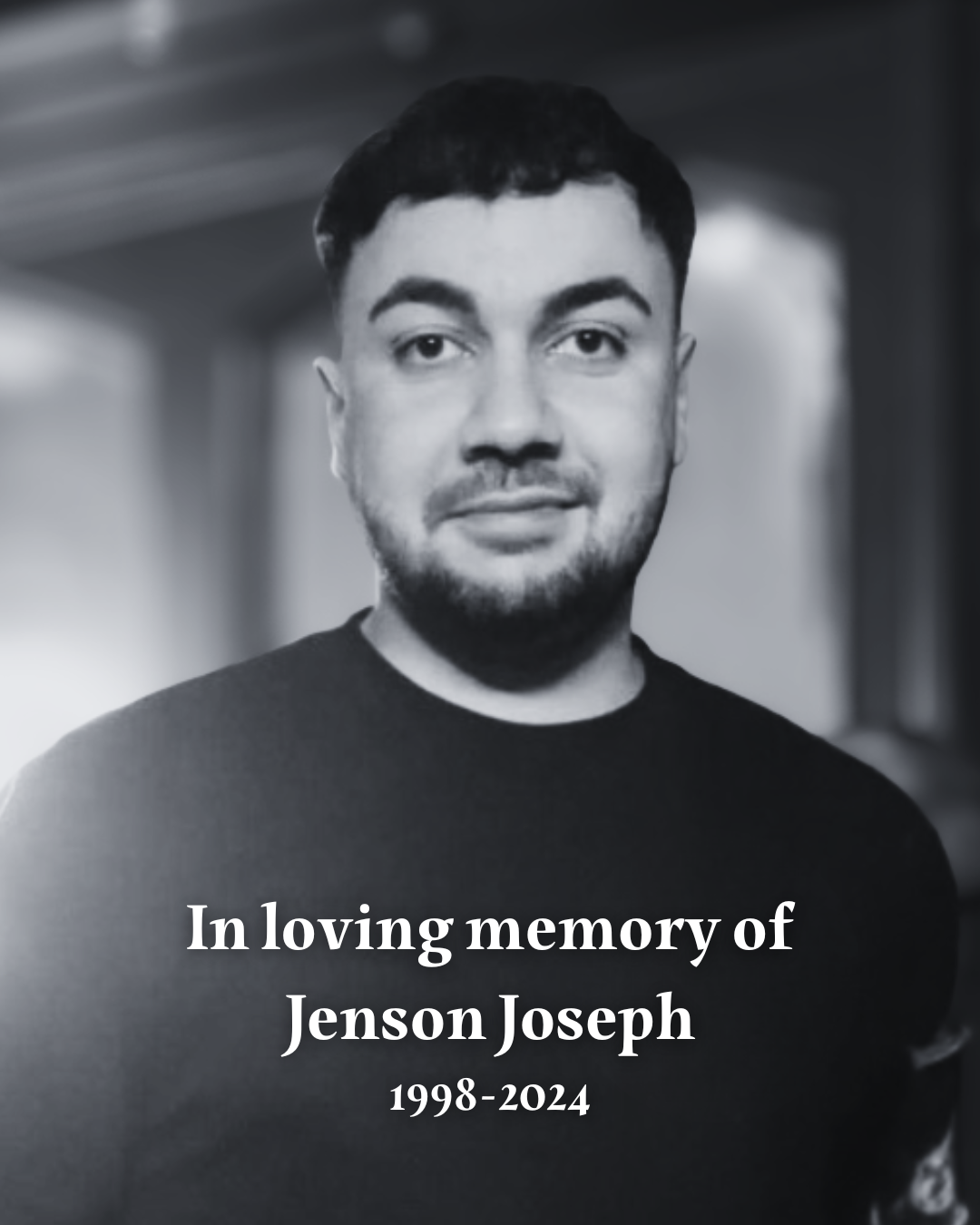
Jenson passed away on 30 April 2024 following a rare and catastrophic anaphylactic reaction while he was sleeping.
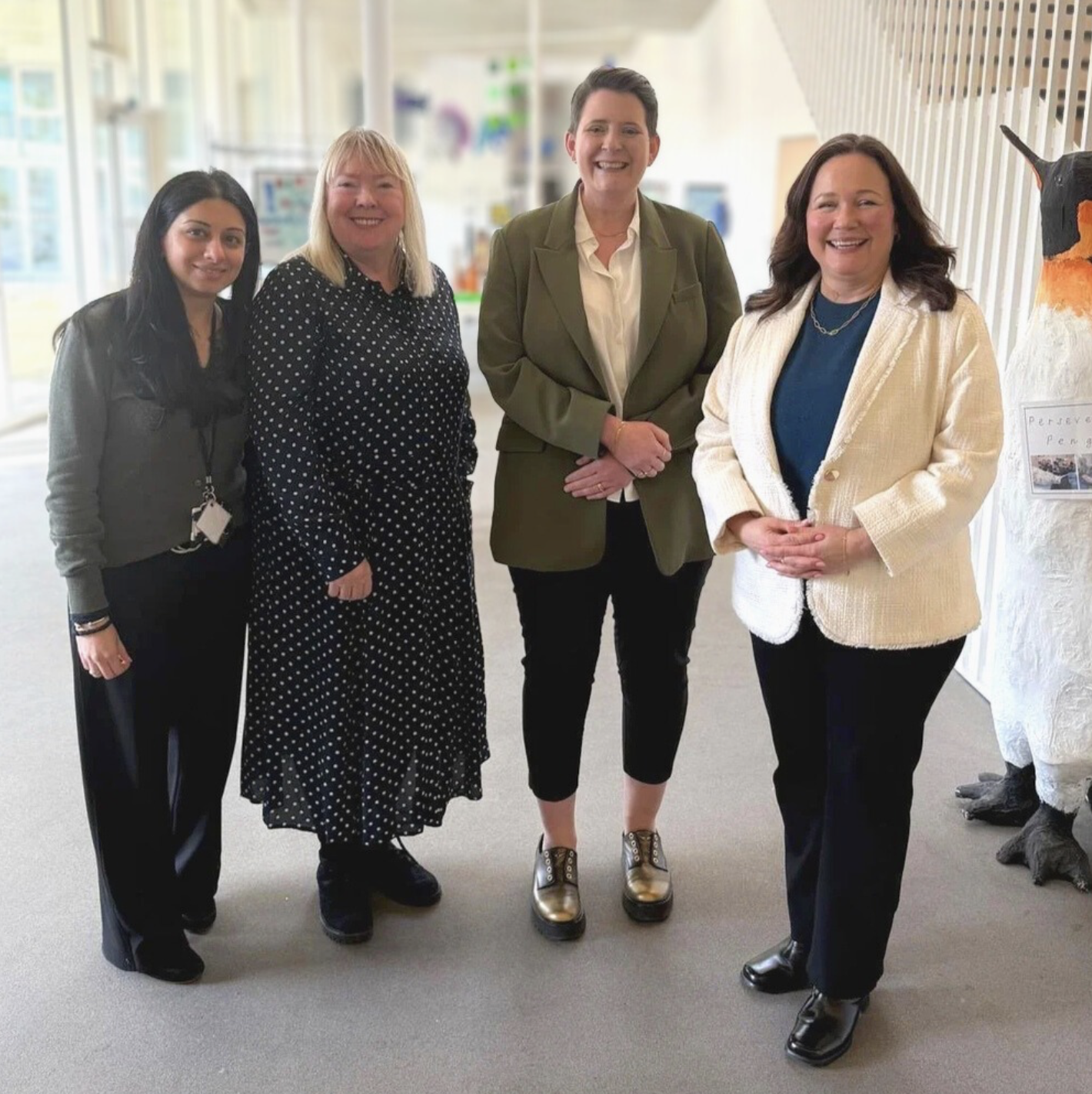
Minister visits Allergy School as free training helps schools prepare for mandatory allergy safety guidance coming this September 2026.

Sharon’s appointment comes at a crucial time for public health and thousands of children living with food allergies across the UK.
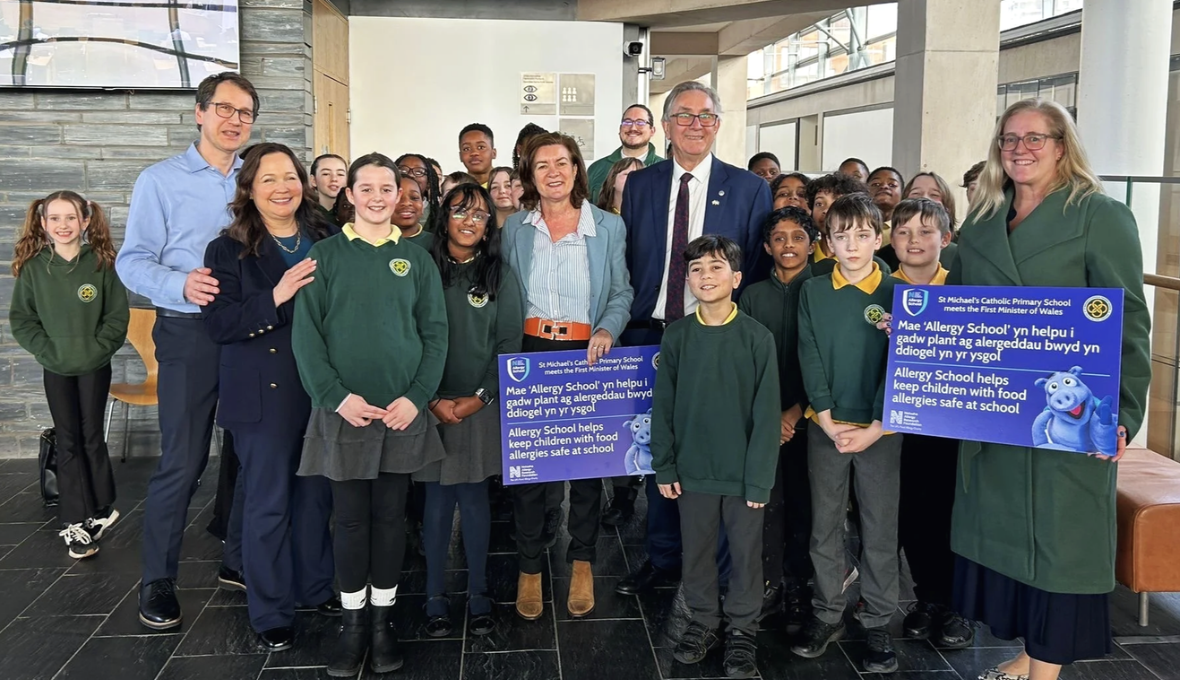
Schoolchildren meet the Welsh First Minister to champion food allergy awareness and safer schools through Allergy School.

This month, we celebrate Allergy School turning one and launching a powerful new Youth Ambassador Programme.
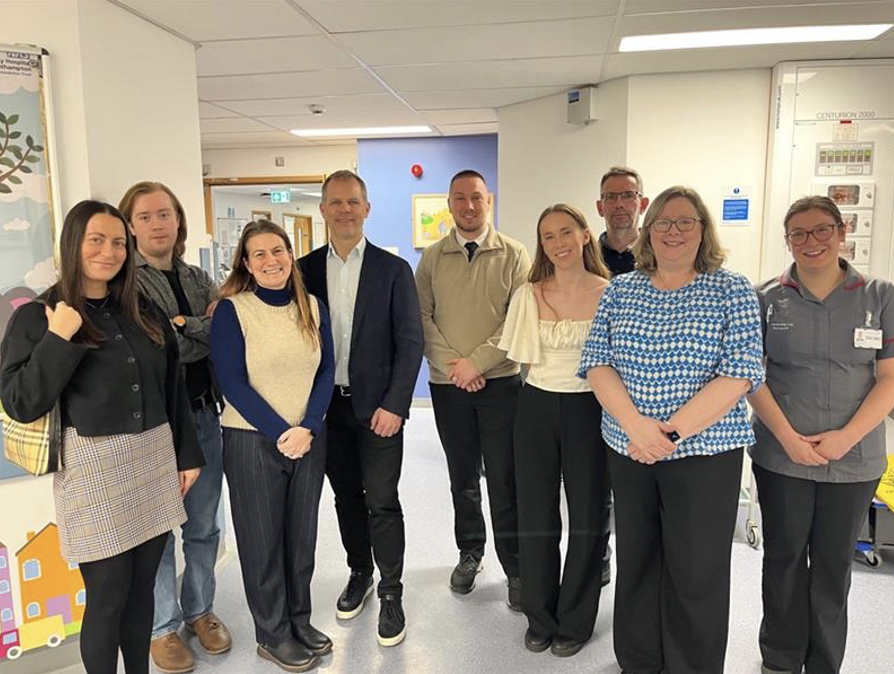
We visited the Southampton Clinical Research Facility to see how the Natasha Clinical Trial is supporting people with food allergies.
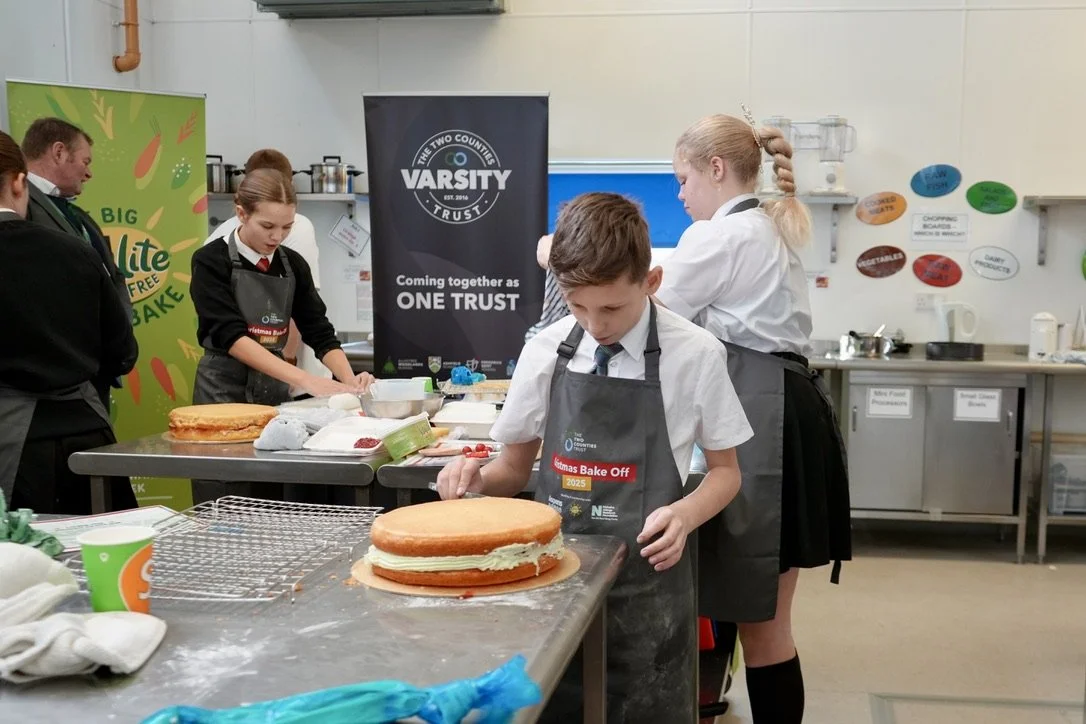
Secondary school pupils joined a festive baking competition raising awareness of food allergies and how to keep everyone safe and included.
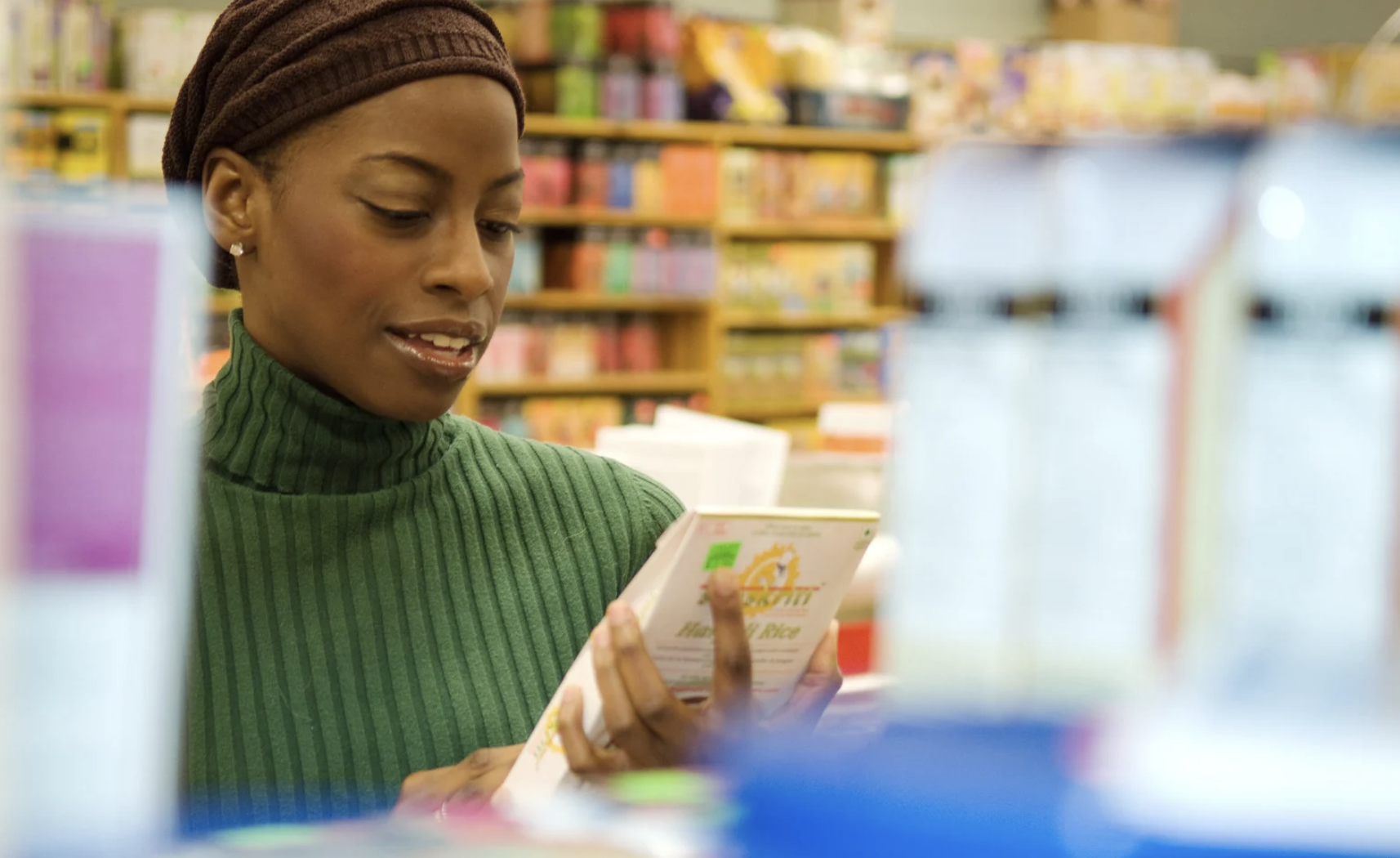
The Food Standards Agency is considering a major change to bring long-awaited clarity to “may contain” allergen labelling.

A powerful new EAACI documentary, Triggered: The Reality of Anaphylaxis, shares a deeply personal look at living with severe food allergies.

We are delighted to welcome Maggie Aderin-Pocock as the newest Ambassador for Natasha’s Foundation.

Join Natasha’s Foundation to help create a safer, kinder world for everyone this anti-bullying week.
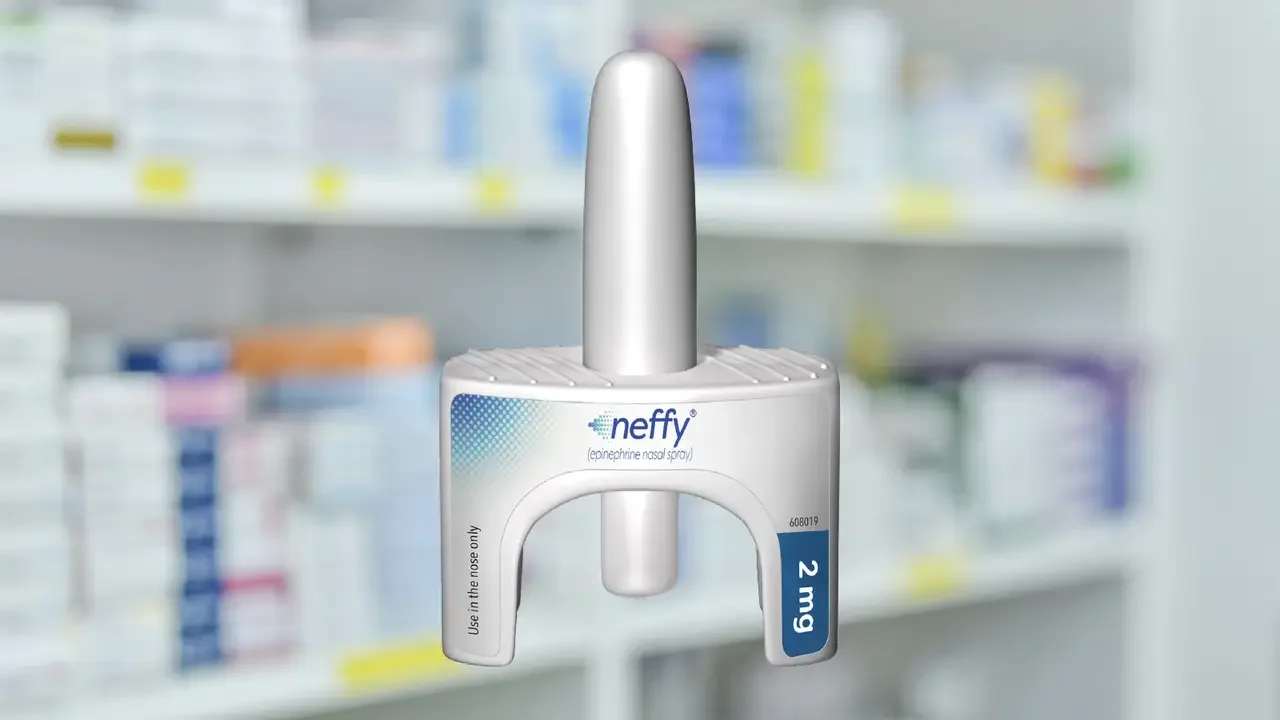
As of 20 October 2025, we’re pleased to confirm that EURneffy® - a needle-free anaphylaxis treatment has arrived in the UK.

Our community embraced the 14 for 14 Challenge, raising food allergy awareness with fundraising challenges.

Golden leaves and crisp autumn air set the scene as Team Natasha took on the iconic Royal Parks Half Marathon.

In September, we visited the Southampton Natasha Clinical Trial Research Facility to see how they support people with food allergies.

Ashleigh shares her food allergy journey from misdiagnosis, life-threatening reactions and the urgent need for better UK allergy care.

Starting secondary school is a big milestone and for children with food allergies, it can also feel overwhelming. So when is the right time for pupils to carry their own EpiPens or allergy medication?

Local dad Matt Bacon is taking on the remarkable challenge of running 196 laps of the stadium – over 70 miles – to raise money for The Natasha Allergy Research Foundation for the second year of his 14 for 14 Challenge.

Parents need clear and consistent advice about how and when to wean and feed their infant, to reduce the chance of their baby developing food allergies.

A disturbing scene in The Roses film trivialises life-threatening food allergies and spreads dangerous misinformation about EpiPens. Here’s why we’ve spoken out and written to the filmmakers.

Charlie was inspired to make a difference and told his parents he wanted to raise money for Natasha’s Foundation to ‘help other boys and girls too.’
Starting university with a food allergy? Prepare for shared kitchens, nights out, takeaways and more with our free student guide.