
No One Should be Separated from their Life-Saving Medication
A recent ITV News investigation has highlighted a deeply concerning issue affecting people living with food allergies: the confiscation of life-saving allergy medication at bars, clubs and event venues.
The report featured Lauryn Forrester, who lives with food allergies and whose adrenaline auto-injectors (AAIs), commonly known as EpiPens, were confiscated on two occasions at a London nightclub. Security staff reportedly requested that she hand over her medication because the devices resembled items that could potentially be used to conceal drugs or needles.
For people living with severe allergies, this is not simply an inconvenience, it’s a potentially life-threatening situation. Adrenaline auto-injectors (AAIs) are emergency medication used to treat anaphylaxis, a severe allergic reaction that can become fatal within minutes.
People at risk of anaphylaxis are advised to carry their medication with them at all times because allergic reactions can be unpredictable. Reactions can happen as a result of food, cross-contamination, hidden ingredients, or unexpected exposure to allergens.
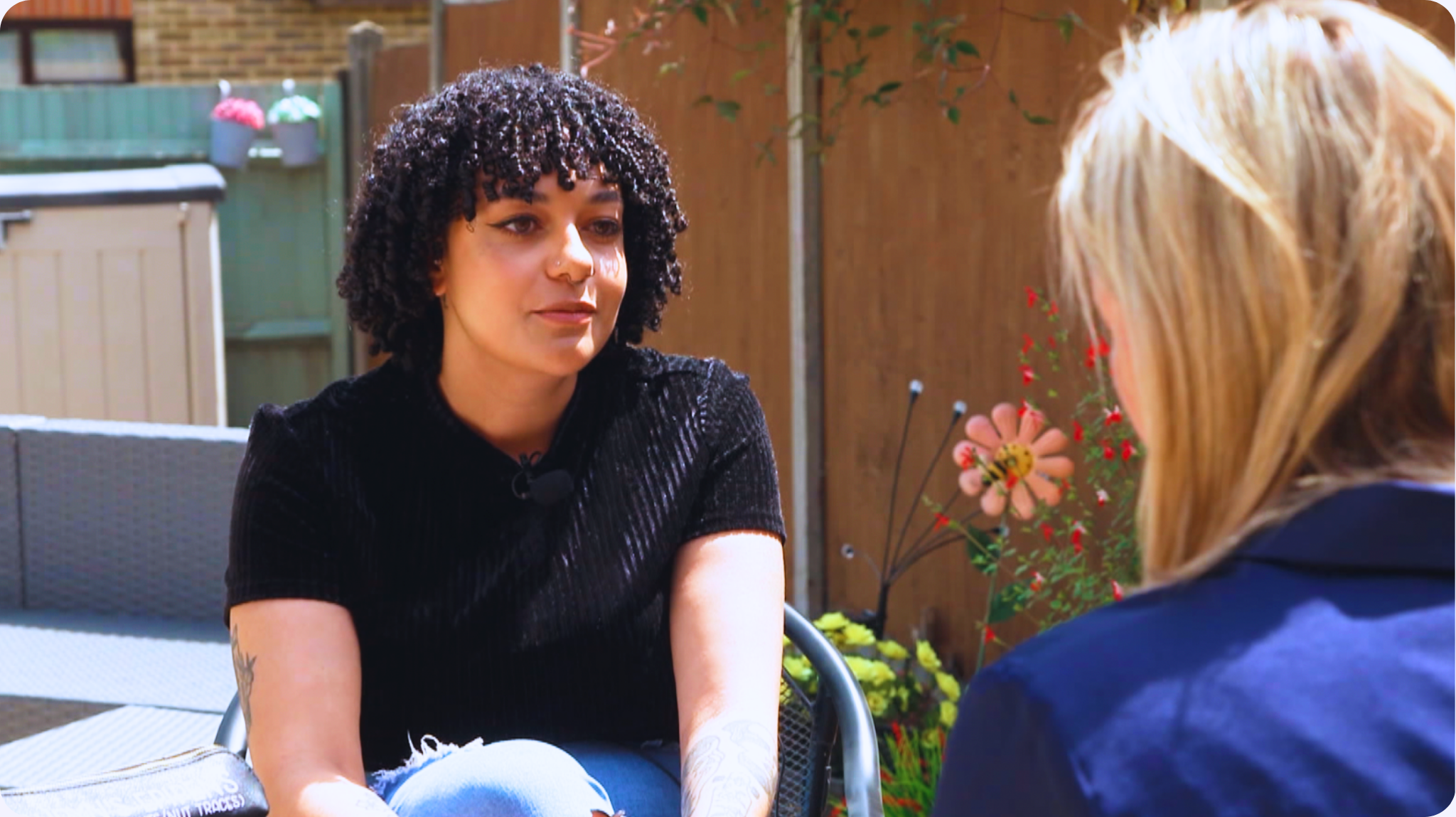
Lauryn Forrester sat down with reporter Carolyn Sim for ITV News
When it comes to anaphylaxis, every second counts.
Lauryn described her anxiety after being separated from her medication.
"I didn't want to hand it over. I was very anxious and very wary."
"There can't be any delay. If I need it, I need it immediately."
For many people with food allergies, that fear is entirely understandable. In large venues, confiscated medication may be stored in a medical room, security office or cloakroom, potentially several floors away from the person who may urgently need it. Experts treat anaphylaxis with the same urgency as a cardiac arrest. Every second counts.

Kitty Clark, youth ambassador for Natasha’s Foundation discussing the hidden risks that those with food allergies face every day.
Kitty's allergic experience
Our Ambassador, Kitty Clark, was interviewed on the evening ITV News (16.06.26) and she shared that she has experienced the same issue.
Kitty, who lives with allergies to dairy, kiwi and eggs, knows first-hand how difficult it can be to navigate social situations while managing the risk of a severe allergic reaction.
She also understands that many people remain unaware of the hidden risks that those with food allergies face every day, from cross-contamination and kissing to allergens hidden in alcoholic drinks and vapes.
"Having an allergic reaction is terrifying. I've always been taught to have my medication with me at all times. I already feel out of control because I can't predict when a reaction might happen, so having my medication taken away is really scary. Every second counts when it comes to anaphylaxis."
Raising allergy awareness matters
Following Kitty's interview on ITV News, we have been touched to receive messages from the public praising this coverage and this one sums them up well…
"I just wanted to send in a quick note to comment on how brilliant I thought Kitty Clark was on ITV News."
"She really articulated all of the concerns that allergy sufferers and parents of allergy sufferers go through – that so many people seem oblivious to – in a clear and emotional way."
"Thanks for all your hard work at the Foundation."
For many people living with food allergies, the daily challenges they face remain largely invisible to others. Experiences like Lauryn's and Kitty's help people understand that food allergies affect much more than food choices. They affect confidence, independence, social lives and, ultimately, personal safety.
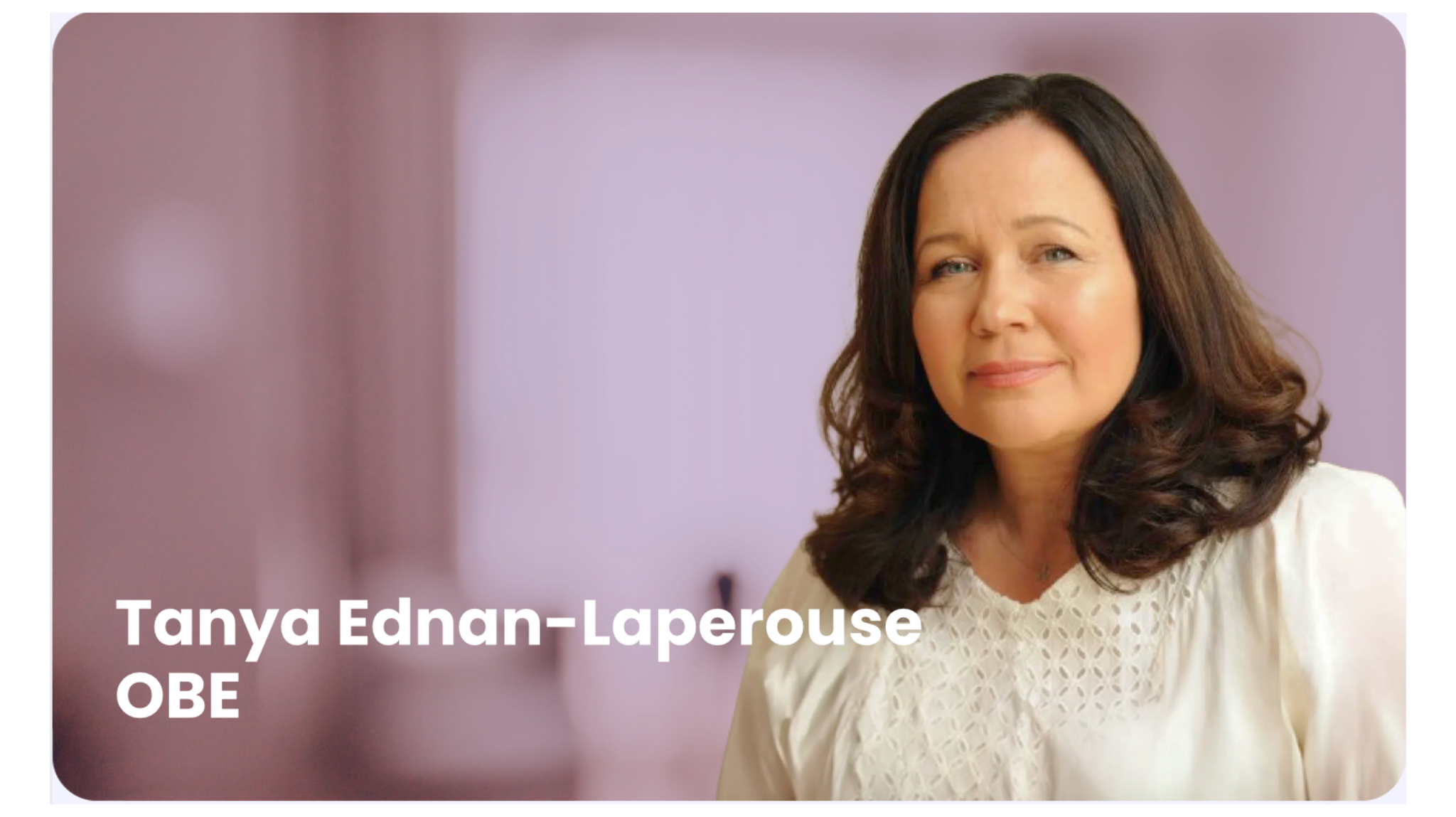
Natasha’s Foundation founder, Tanya Ednan-Laperouse OBE
Why access matters when it comes to life saving allergy medication
Our Founder, Tanya Ednan-Laperouse OBE, understands the devastating consequences of allergic reactions. Natasha's death in 2016 led to the introduction of Natasha's Law, helping to improve food safety and transparency across the UK.
Speaking to ITV News, Tanya explained why being separated from life-saving medications in a venue when immediate access is essential is such a worry.
"Whenever someone has a reaction, they must tell someone else what's happening, and the chances of them being able to find the right person to help in a really crowded venue are slim. You can lose such precious moments.”
"It is important that they always have their medication with them, so they, or somebody else, can administer an injection in a medical emergency."
For people living with food allergies, AAIs are not optional items, they are life-saving medication.
Positive change following ITV News investigation
The ITV News investigation also highlighted an important issue with some venue policies. In some cases, security staff have asked guests to hand over AAIs and antihistamines because the devices resemble items that could be used to smuggle drugs into venues.
Following the coverage, the venue featured in the report reviewed its policy and introduced changes allowing guests to choose whether to keep their medication with them or store it securely with the medical team.
We welcome any changes that improve the safety and confidence of people living with allergies. The response demonstrates the positive impact that awareness and education can have when people with lived experience are heard.
A call for greater understanding
Lauryn's and Kitty's experiences highlight the urgent need for greater awareness and understanding of food allergies across bars, clubs, venues and events.
Natasha’s Foundation is calling for greater understanding of the realities of living with food allergies and the importance of immediate access to emergency medication.
No one should have to choose between enjoying a night out and having access to life-saving treatment.