
My son died in his sleep from a delayed allergic reaction
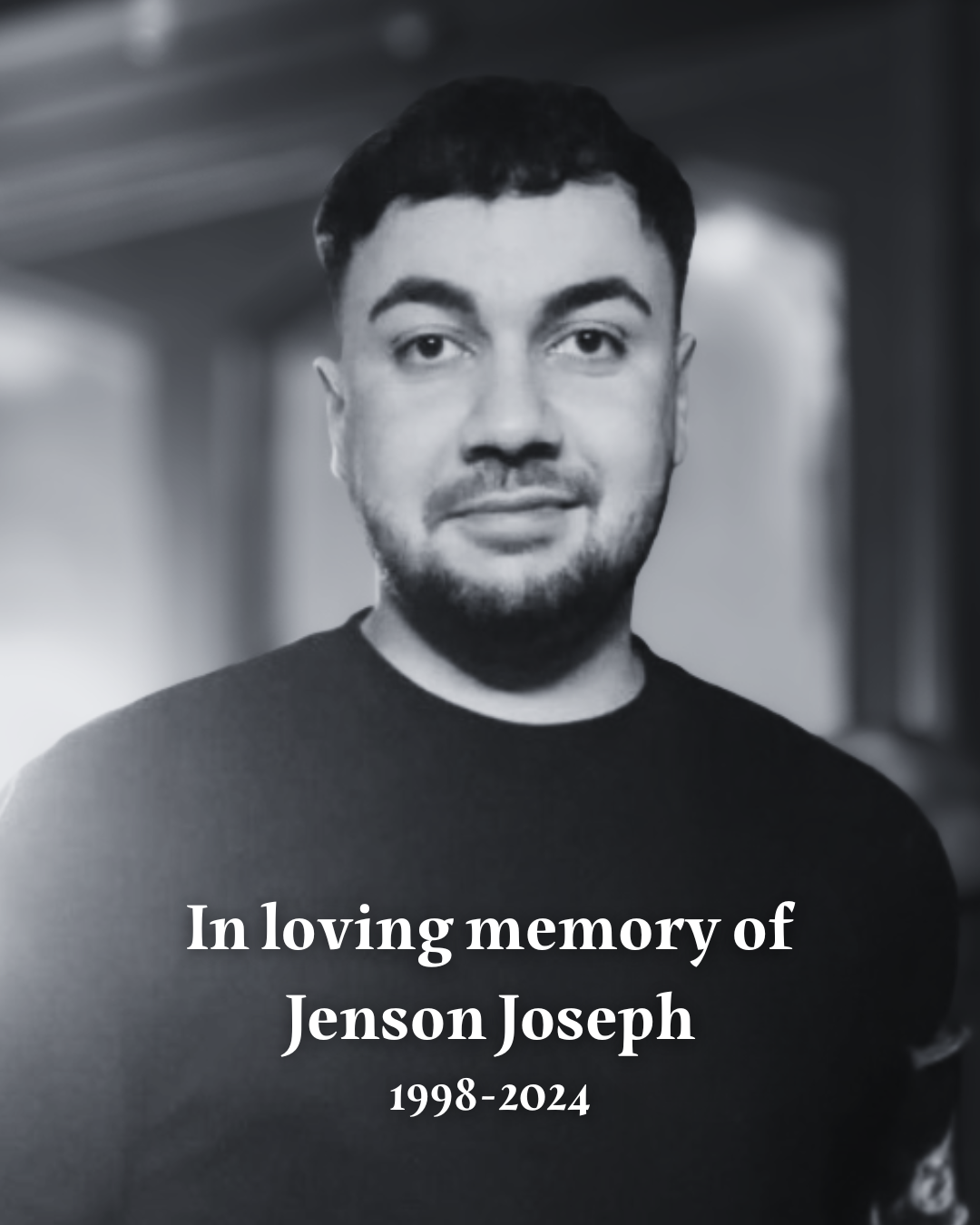
Jenson Joseph
A mother is calling for greater awareness and urgent research into food allergies and anaphylaxis after her son died from a suspected delayed allergic reaction.
Jenson Joseph was 25 when he died in his sleep at home in York in April 2024. He had been diagnosed with a peanut and tree nut allergy in 2019 and had been prescribed adrenaline auto-injectors (AAIs). He had never previously experienced a severe allergic reaction.
Despite thorough investigation, no clear trigger for the reaction was identified.
His mother, Alexa Metcalfe, says she had never heard of a delayed anaphylactic reaction before Jenson’s death.
“I never imagined that an allergic reaction could happen hours later, or that it could happen during sleep,” she said.
“Jenson was healthy, active, and so careful about what he ate. We never thought something like this could happen.”
A coroner concluded that Jenson died from a catastrophic anaphylactic reaction, a severe and potentially life-threatening allergic response.
Understanding anaphylaxis and delayed allergic reactions

Understanding anaphylaxis
Anaphylaxis is the most serious form of allergic reaction. It can develop rapidly and requires immediate treatment with adrenaline.
In some cases, symptoms can appear later than expected. These are sometimes referred to as delayed or biphasic reactions, where symptoms return or develop hours after initial exposure.
While rare, these types of reactions highlight the need for:
Greater awareness of how food allergies can present
Continued monitoring after a suspected allergic reaction
More research into the causes and mechanisms of anaphylaxis
Why allergy awareness matters
Too often, food allergies are misunderstood or underestimated.
For many people, the word “allergy” may bring to mind mild symptoms. But for those living with severe allergies, the risks are very real.
In the UK, anaphylaxis cases have risen significantly over the past two decades, with thousands of hospital admissions each year. The most common triggers include:
Peanuts
Tree nuts
Cow’s milk
Behind every statistic is a person, a family, and a life changed forever.

A call for allergy research
A call for food allergy research and change
Jenson’s story is a devastating reminder that there is still so much we do not fully understand about food-induced anaphylaxis.
Greater investment in research is critical to:
Improve understanding of delayed allergic reactions
Identify risk factors and triggers
Develop better prevention and treatment strategies
At The Natasha Allergy Research Foundation, we are committed to funding life-saving food allergy research and raising awareness to help prevent tragedies like this.
Moving Forward with food allergy research
No family should have to experience the loss of a loved one to anaphylaxis.
By improving understanding, increasing awareness, and investing in research, we can work towards a future where food allergies are better understood, better managed, and lives are saved.