
Daily Mail | April 2026 | Allergy Parents Call for an Allergy Tsar
UK Allergy care is still failing families and bereaved parents are driving change

Too often in the UK, it is bereaved parents who are still driving progress in food allergy care and anaphylaxis prevention. Next week (21st April 2026) will mark the publication of the UK National Allergy Strategy report, a long-awaited attempt to set a national direction for allergy diagnosis, prevention, and treatment in the UK.
It is designed to address long-standing failures in the allergy care system, including inconsistent access to specialists, delayed diagnosis, and the ongoing postcode lottery that defines so many families’ experience of severe allergies and anaphylaxis care.
These are important steps forward. But what matters now is delivery.
What Is the UK National Allergy Strategy?
The National Allergy Strategy sets out key priorities for improving UK allergy care, including:
Recognising allergy as a serious long-term health condition
Improving allergy training in primary care
Reducing inequality in access to diagnosis and specialist allergy services
Addressing the postcode lottery in allergy treatment
These priorities reflect what families have been calling for years: a safer, more consistent approach to food allergy and anaphylaxis management in the UK healthcare system. The National Allergy Strategy Group (NASG) unites clinical experts and leading allergy charities, including BSACI, Allergy UK, Anaphylaxis UK and Natasha’s Foundation, to improve allergy care and protect lives.
Can Anaphylaxis Be Prevented?

“There are millions of people with food allergies. Any fatal anaphylaxis is one too many. Apart from very rare exceptions, they would all have been preventable.” Professor Adam Fox OBE
That word matters: preventable anaphylaxis deaths. Because behind every statistic is a child, a young person, or an adult navigating daily life with food allergy risk, often without consistent medical support.
The Postcode Lottery in Allergy Care
More than 20 million people in the UK are living with allergic disease, yet access to specialist allergy care in the UK remains uneven.
Families continue to experience:
Delays in allergy diagnosis
Limited access to allergy specialists
Gaps in emergency care planning for anaphylaxis
A lack of consistent allergy education across the NHS
This is what campaigners refer to as the postcode lottery in allergy care, where outcomes depend heavily on where you live, rather than clinical need.
Our co-founder, Tanya Ednan-Laperouse OBE, has consistently highlighted this inequality, calling for systemic reform of UK food allergy services.
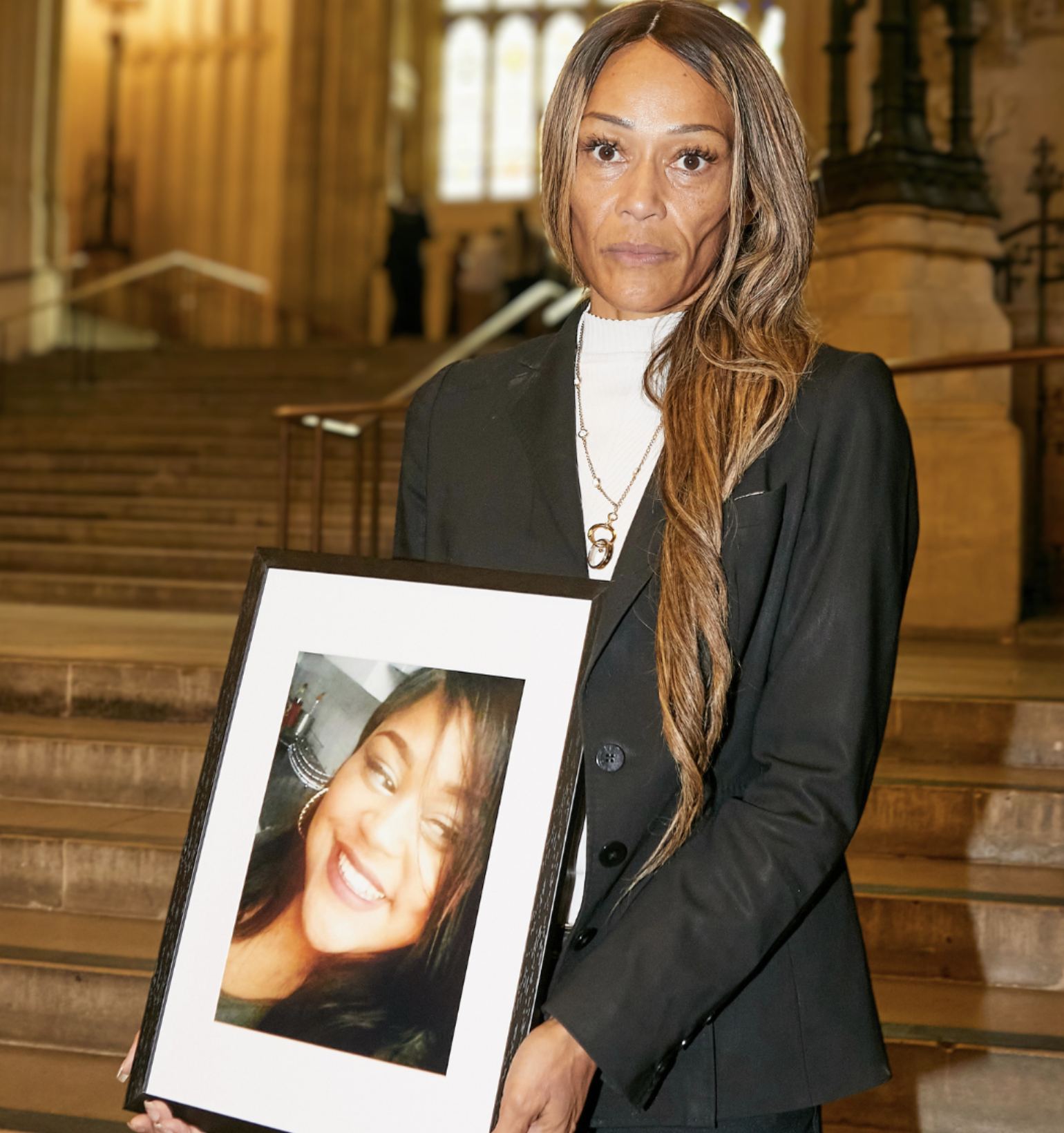
Real Lives Behind the Allergy Care System
Emma, whose daughter Shanté died from anaphylaxis, shared her final words:
“Bye Mum, I love you.”
Even after administering adrenaline, Shanté suffered a cardiac arrest while waiting for emergency care.
Stories like this highlight the urgent need for improvements in anaphylaxis emergency response and allergy care pathways in the UK.
Why UK Allergy System Reform Matters Now
At Natasha’s Foundation, we hear every day from families affected by gaps in food allergy care in the UK.
Parents navigating new diagnoses. Young people managing daily risk. Families trying to understand life-threatening allergies without adequate medical support.
Alongside the National Allergy Strategy, campaigners are calling for stronger national coordination, including proposals for an Allergy Tsar to ensure accountability across health, education, and food systems.
We Cannot Rely on Bereaved Families to Drive Change
From Natasha’s Law to repeated coroner reports, the pattern is clear.
We already know the risks of delayed action in food allergy and anaphylaxis prevention.
A report can set direction.
But delivery is what saves lives.