
The Impact of Food Allergies on School Attendance
In March 2025, The Natasha Allergy Research Foundation, the UK’s food allergy charity, carried out a national survey of 1,000 respondents, including parents of children with allergies. Food allergy was the most commonly reported condition.
National school attendance survey underscores why all schools need an Allergy Policy

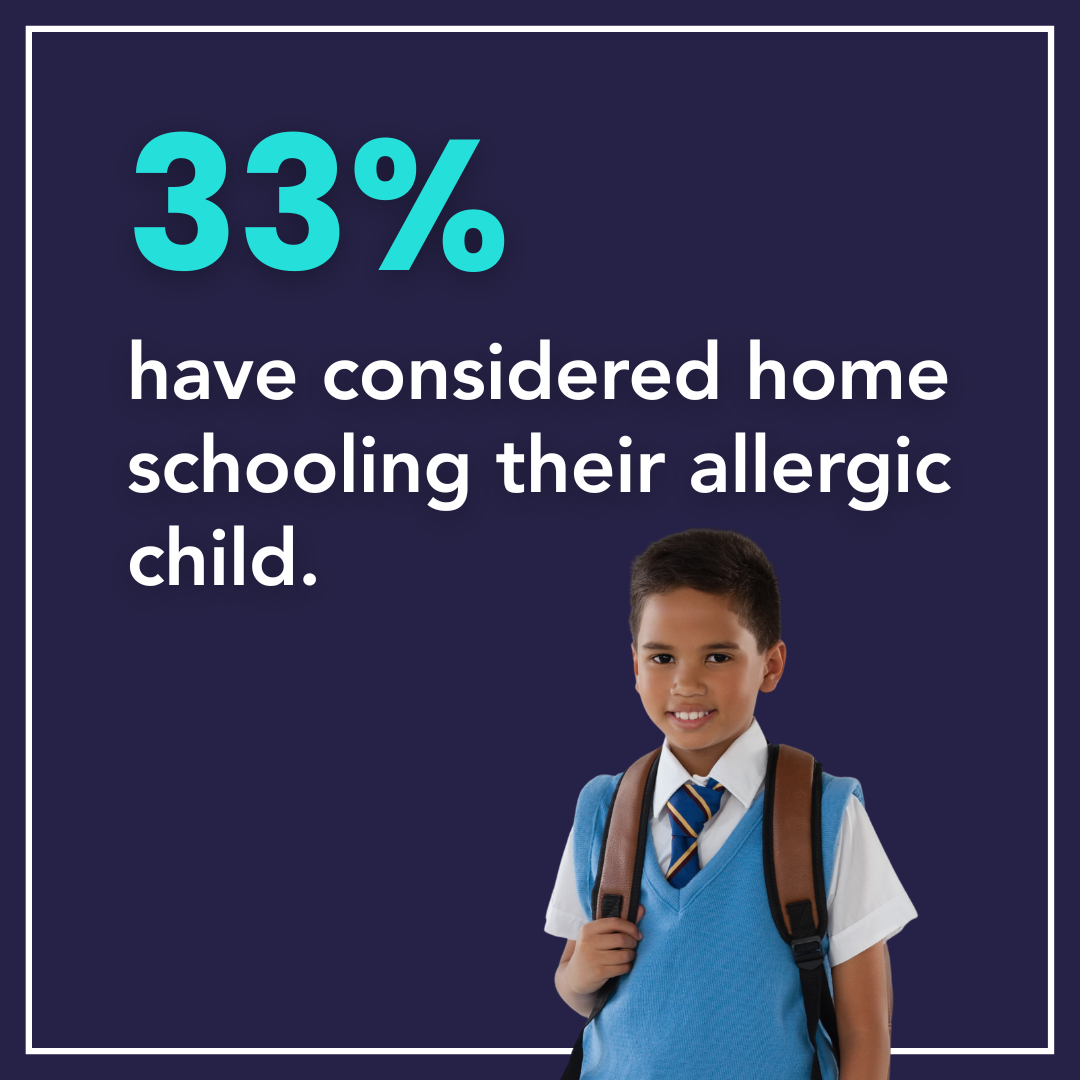
One in three parents have considered home schooling their allergic child
The survey shows just how critical a school Allergy Policy is for students with food allergies. While some schools are doing the right thing, too many are failing to keep children safe. Without mandatory national standards, the gap between schools that protect and include food-allergic students and those that fail them will continue to grow, putting lives and education at risk.
Every school must have a clear Allergy Policy in place, that means staff trained in food allergy awareness, day-to-day allergy management, and emergency response, including having two spare adrenaline auto-injectors on site and staff trained to use them.
With the Government’s Children’s Wellbeing and Schools Bill in its final stages, time is running out. This is a critical moment to ensure the law truly empowers, includes, and protects children and young people with food allergies.
The impact on attendance and education
Many children with food allergies are missing school, falling behind in lessons, or feeling excluded from everyday school life - all because their needs aren’t properly supported.
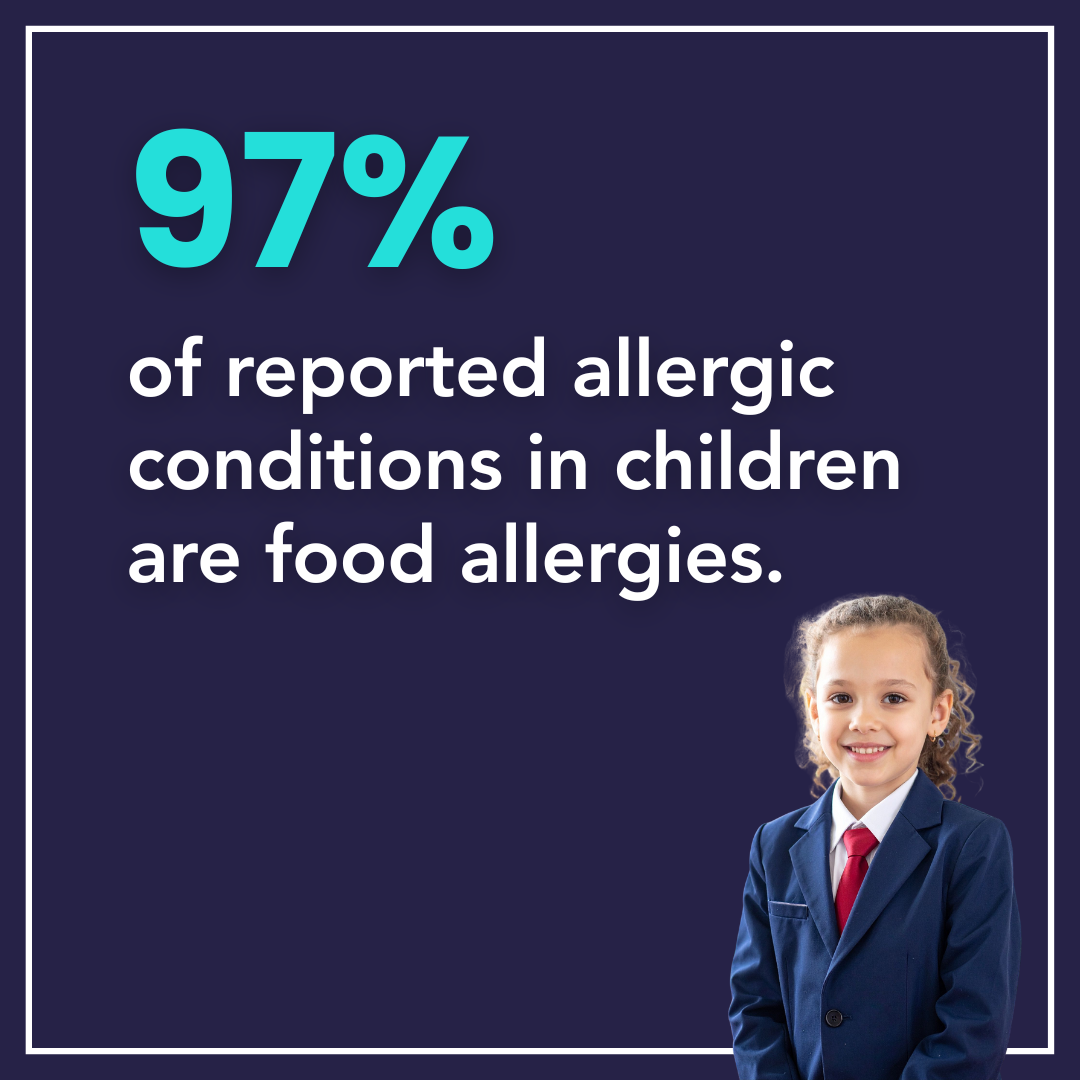
Around two children in every classroom live with a food allergy.
One in three parents has considered homeschooling because they do not feel school can keep their child safe.
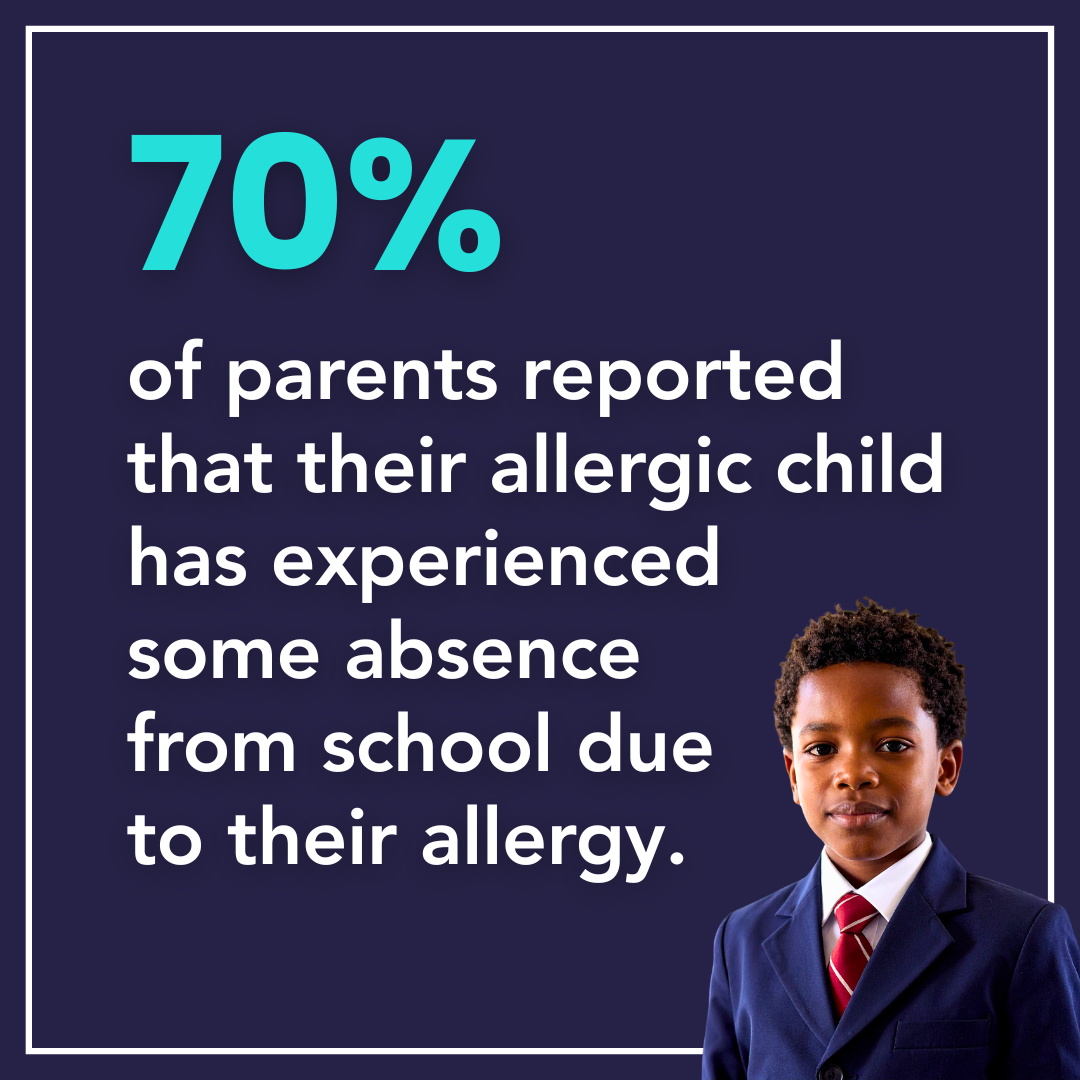
70% of parents reported that their child has missed school because of their allergy.
In 5% of these cases, children lost up to a month of the school year due to allergy-related absences.
Half of parents said their child had experienced an allergic reaction at school, with a quarter of these reactions described as severe.
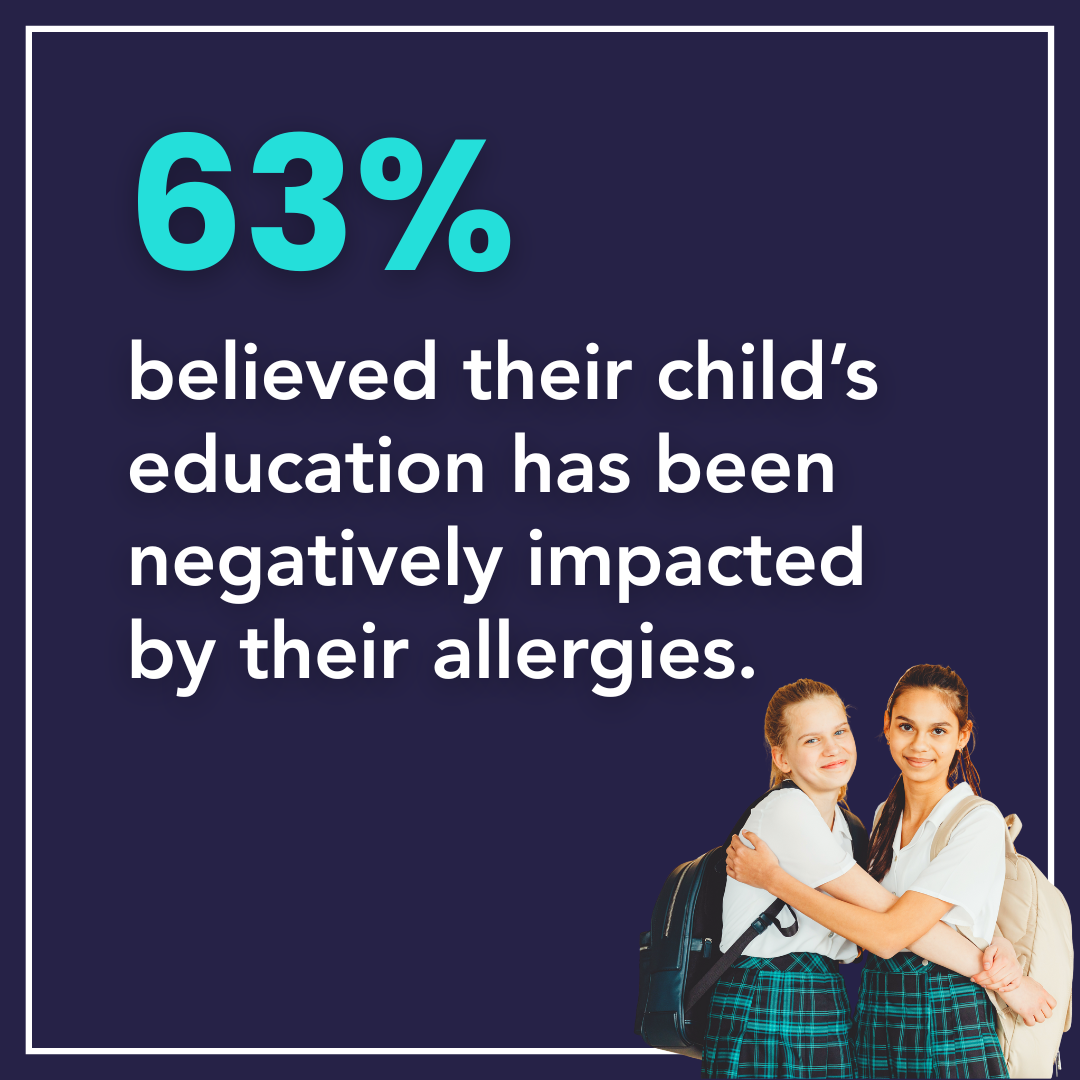
63% of parents believe their child’s education has been negatively affected by their allergy.
These figures show that food allergies affect every classroom in the country and the impact on attendance, inclusion, and learning is serious.
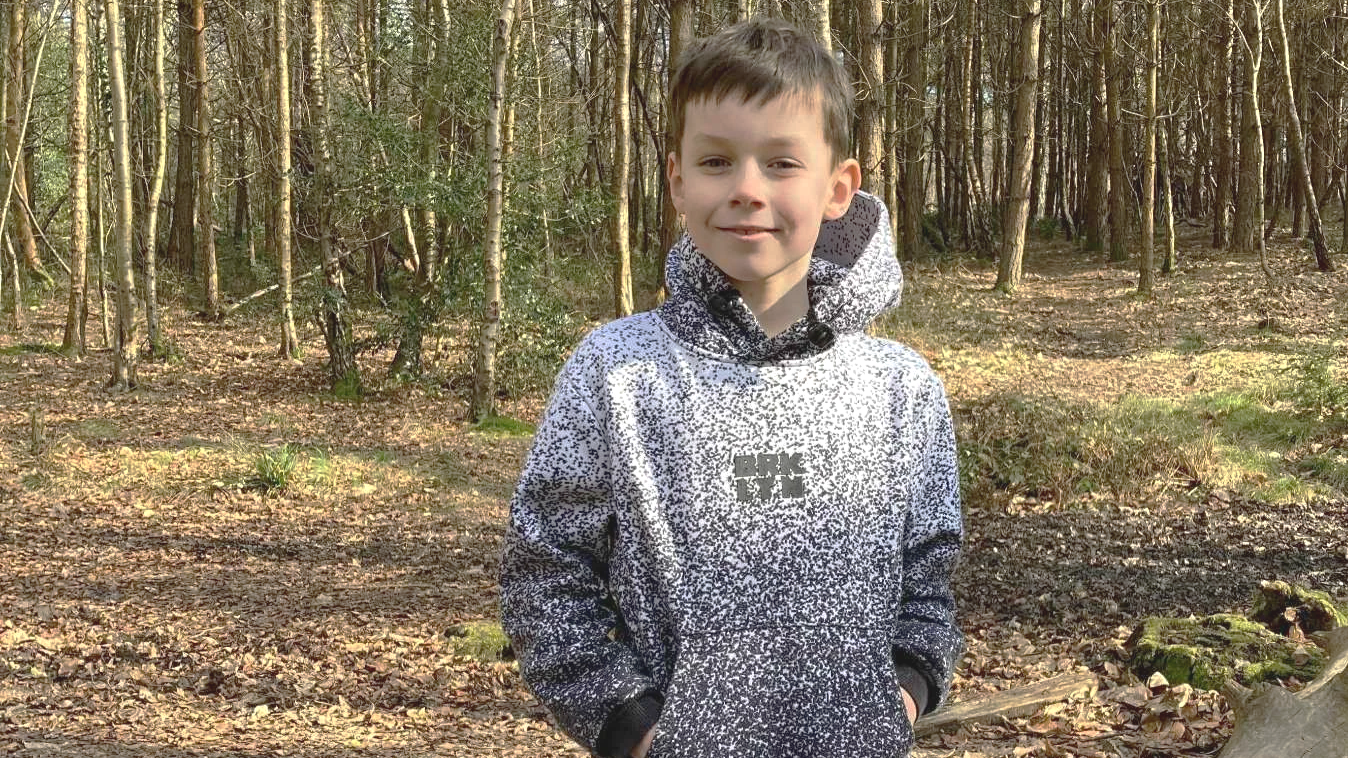
Laurie, 9, has multiple food allergies to nuts, pea, mango, and corn
Laurie’s story
Laurie, 9, has multiple food allergies to nuts, pea, mango, and corn.
When his parents, Neil and Rachel King, first sent him to infant school, the school failed to take his allergies seriously, misfed him, and did not enforce their nut-free policy. Laurie missed 122 school days, and his parents felt forced to homeschool him for part of the year.
Laurie’s dad, Neil told us “Laurie missed months of schooling and socialising, and the experience has left us severely scarred.”
Laurie is now at a different school that takes his food allergies seriously and last term he was awarded 100% attendance, showing that with the right support from schools, children with food allergies can attend safely without it affecting their learning or wellbeing.
This story shows both the risks of inadequate allergy management and the huge impact schools can make when they get it right.
Challenges faced by food-allergic children
Parents have shared numerous experiences highlighting the everyday challenges their children with food allergies face in school.
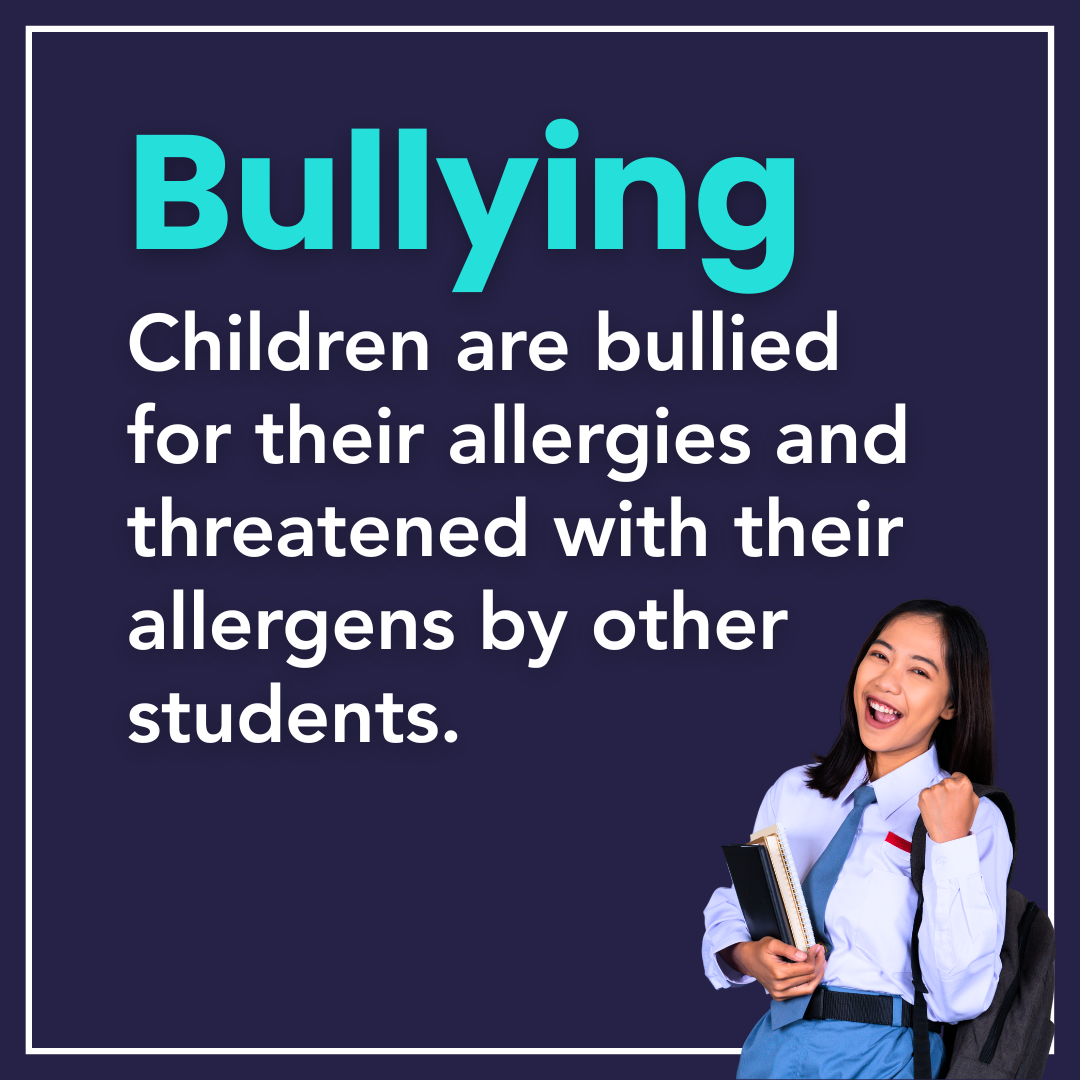

Parents shared numerous experiences highlighting the everyday challenges children with food allergies face in school
Negligent practice and exclusion
Some schools ignored the need for proactive allergy measures, leading to isolation or exclusion during mealtimes. In some cases, parents were told to consider finding another school.
Unsafe school meals and inadequate response
Pupils were prevented from having school dinners due to contamination risks. Schools sometimes failed to recognise allergic reactions or delayed notifying parents, increasing the risk of severe reactions.
Threats, bullying, and unsafe activities
Children have been threatened with allergens by other students, and some schools organised activities involving allergens despite knowing a child’s allergy.
Lack of immediate action
In some cases, school staff knowingly exposed children to allergens over weeks, causing ongoing medical issues.
These experiences show that inconsistent policies, lack of staff training, and poor understanding of allergies put children at risk, impact attendance, and affect emotional wellbeing.
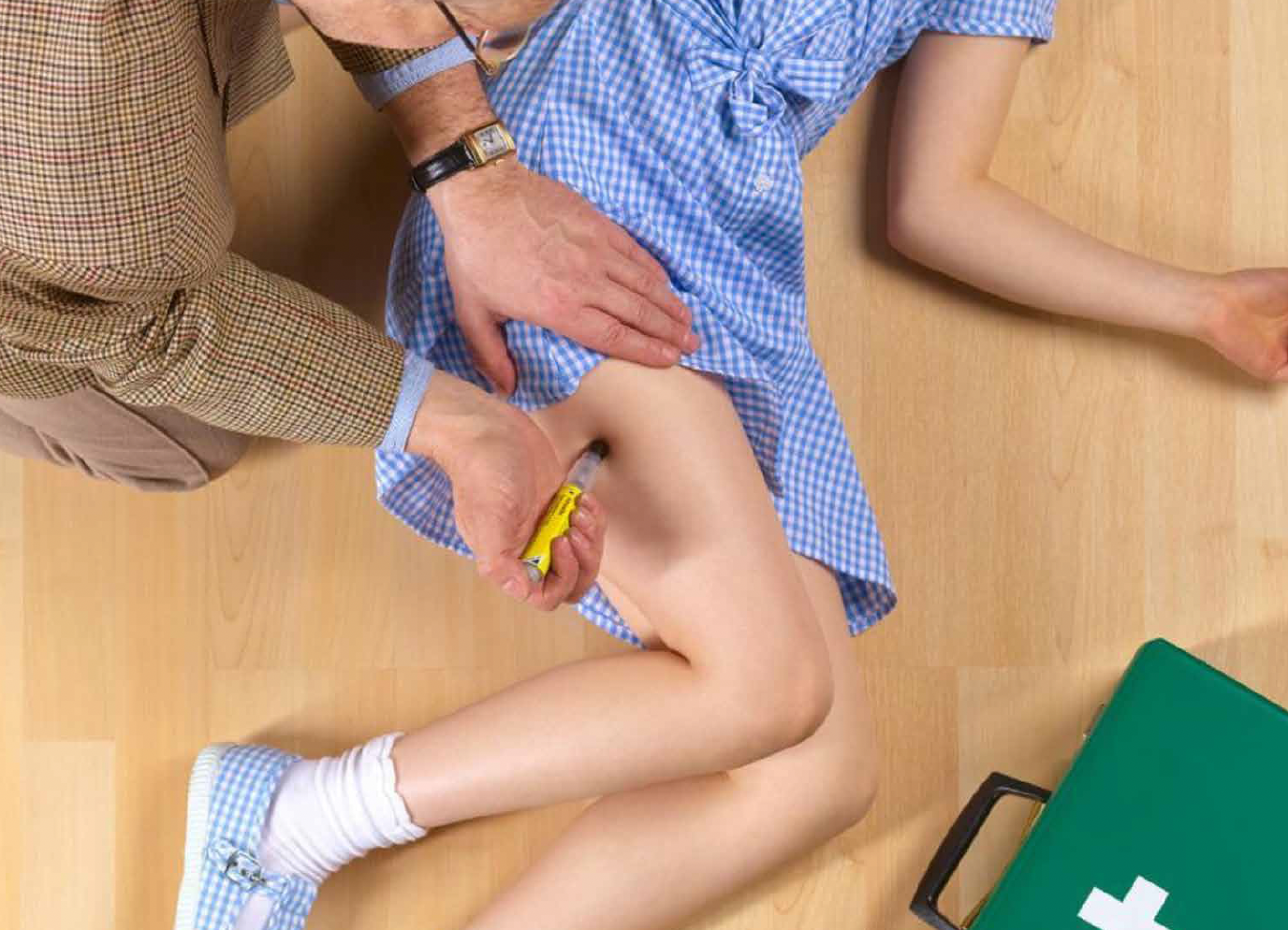
Urgent action is needed to ensure all schools have robust allergy safeguarding policies
Inconsistent standards and lack of allergy training
Our survey highlights wide variation in how schools support children with food allergies.
A NASUWT survey in collaboration with Natasha’s Foundation found 67% of school staff had not received allergy awareness training. This includes training on reducing the risk of allergic reactions, making activities safe and inclusive, and understanding the mental health impact of food allergies.
“Our findings reveal an education system still unprepared for the growing numbers of food-allergic children in the UK. Too many pupils feel frightened or isolated, and a third of parents would consider home schooling their child because they do not trust that their school can keep them safe. Urgent action is needed to ensure all schools have robust allergy safeguarding policies and trained staff.”
- Tanya Ednan-Laperouse OBE, co-founder of The Natasha Allergy Research Foundation.

Every child with food allergies deserves to feel safe at school.
What parents of allergic children can do
If your child has a food allergy, you are not alone and your concerns for their safety are completely valid. No family should ever feel they have no options or no voice.
Every child deserves to feel safe at school, and every parent, guardian, and carer should feel confident that their child is being properly cared for.
Talk to your child’s school about their allergy action plan and safeguarding policies.
Ensure staff are trained in allergy awareness and emergency response.
Keep your child’s allergy management plan up to date and ensure they have access to medication.
Use our resources to support conversations with schools and advocate for safer environments.
Join our community to help campaign for better food allergy safeguarding across the UK.
Supporting schools to keep children safe: Allergy School
The Natasha Allergy Research Foundation’s Allergy School provides free, practical resources to help teachers create safe, inclusive environments for children with food allergies.
Allergy School resources are mapped to the National Curriculum, suitable for all age groups, and endorsed by the Department for Education.
Together, we can work towards a future where every food-allergic child feels safe, included, and supported at school.
👉 Find out more and sign up for free at allergyschool.org.uk