
Natasha’s Legacy: Supporting Young People with Food Allergies

Natasha’s story
Natasha was just 15 when she passed away from anaphylaxis, the most serious and life-threatening allergic reaction. Her death was entirely preventable. Had the food label on the sandwich she ate listed sesame seeds, an allergen we had always worked tirelessly to protect her from, she would be alive today. That omission changed the course of our lives forever.
Imagining the future she would be living
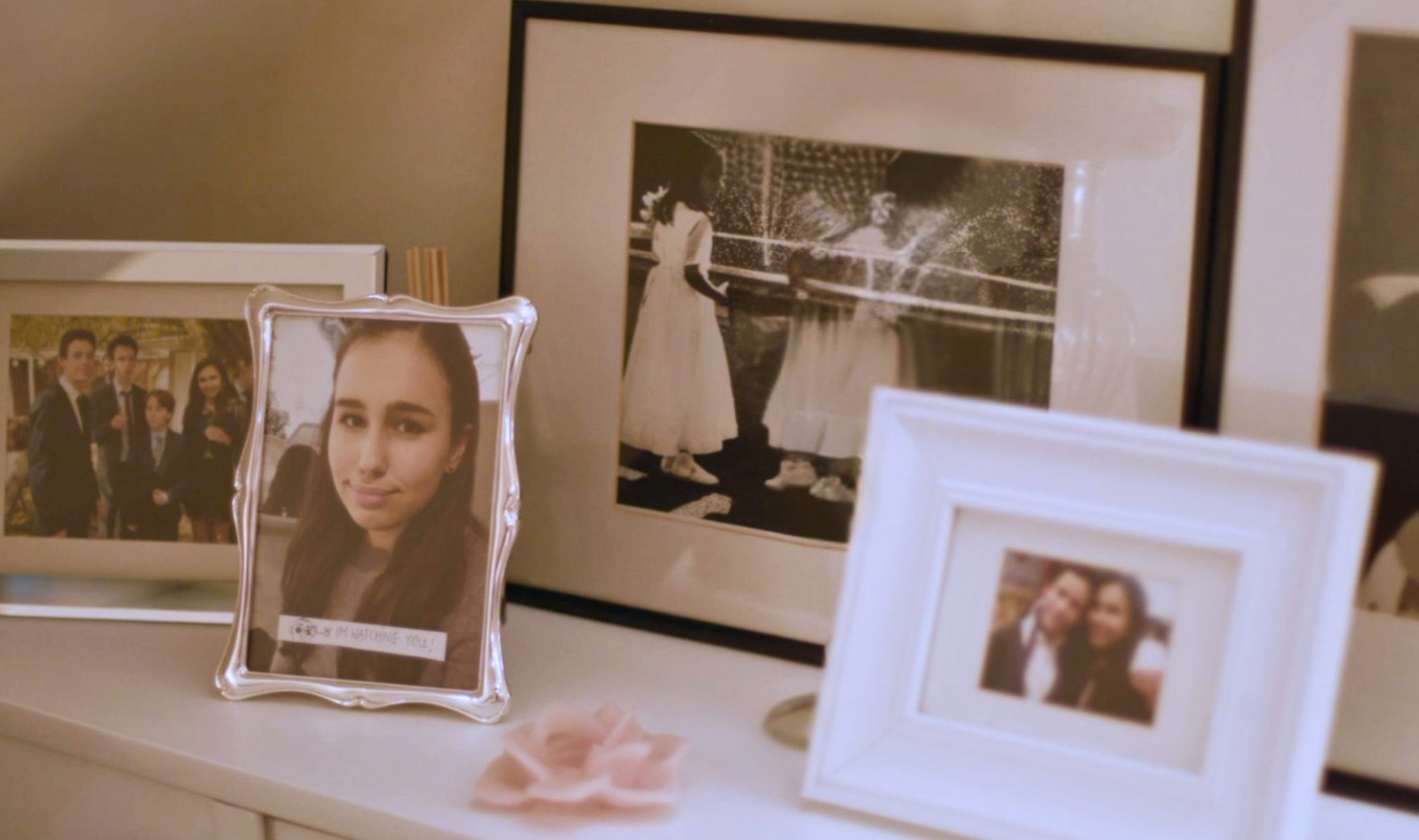
Framed photos of Natasha fill our home
At home, framed photos of Natasha fill our walls and shelves. Each one captures her smile and the future she should have had. They remind us of the life we lived before that terrible day. Sometimes I dream myself back to the “before” - when she is laughing beside me or calling out for help with homework and then the reality that she’s no longer here crashes over me again.
Had Natasha lived, she would soon be turning 25. I often imagine what her life might look like now.
Would she have moved out, and where would she be living? Would she have fallen in love, found her passion, or started a career she was proud of? Would she call just to chat, send a funny message, or ask for advice? I think about how she would be navigating life as a young adult with food allergies, how her needs, independence and confidence would be evolving and how often I’d still be worrying about her safety.
Living in survival mode
We discovered Natasha’s food allergies when she was a baby, and from that moment, our lives changed. We shifted into constant survival mode: always alert, always planning, always risk-assessing.
Every nursery class, birthday party, holiday and new environment required careful thought. For Natasha, simply stepping outside our home meant stepping into a world filled with potential dangers. It was a world she bravely faced every single day. As she grew older, her needs shifted. Childhood brought one kind of vigilance. The teenage years brought another…and adulthood had she reached it, would have brought new complexities and responsibilities.
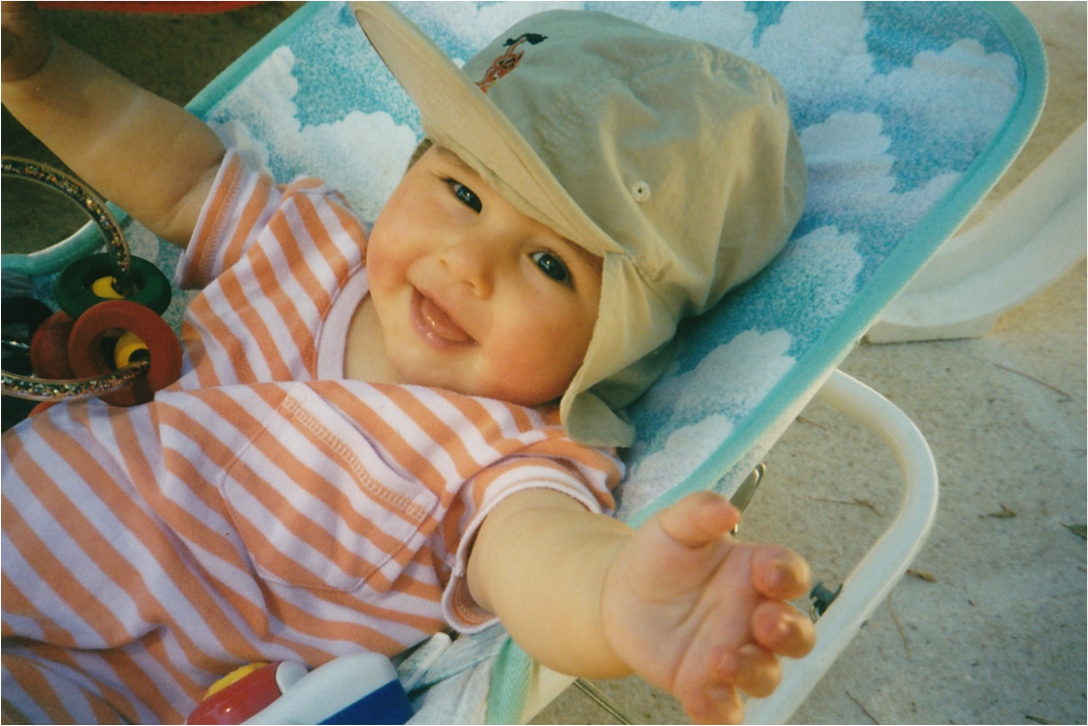
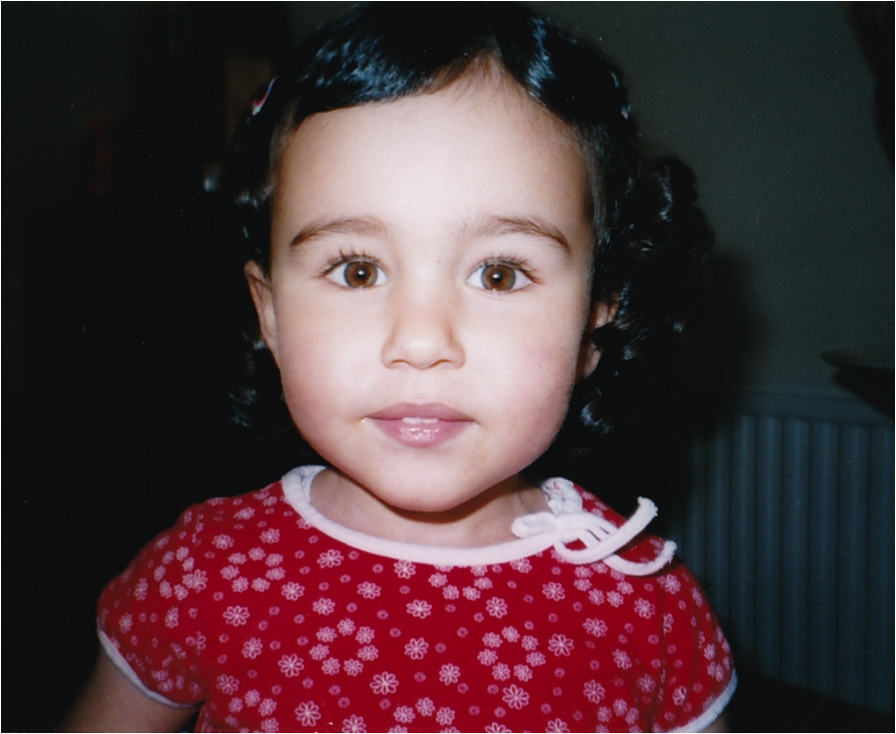
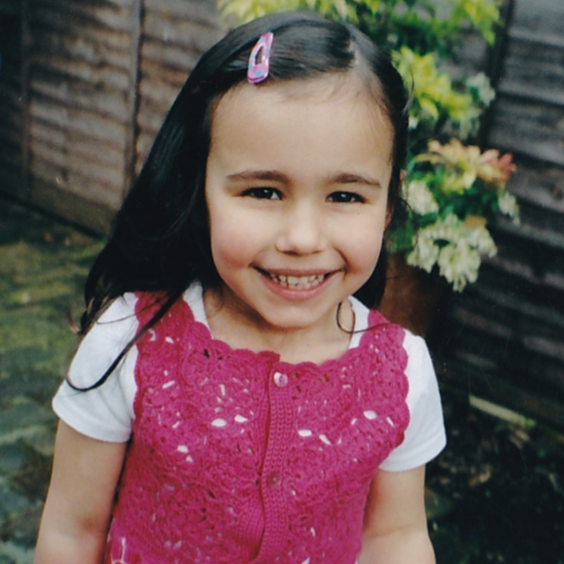

The challenges change as children grow
The challenges evolve with every stage of life: learning how to self-manage at school, navigating peer pressure as a teen, handling dating and travel, managing workplace environments, and building independence while still living with daily risks.
“You don’t outgrow the fear. You learn to carry it. Our job is to lighten that load.” - Tanya Ednan-Laperouse OBE
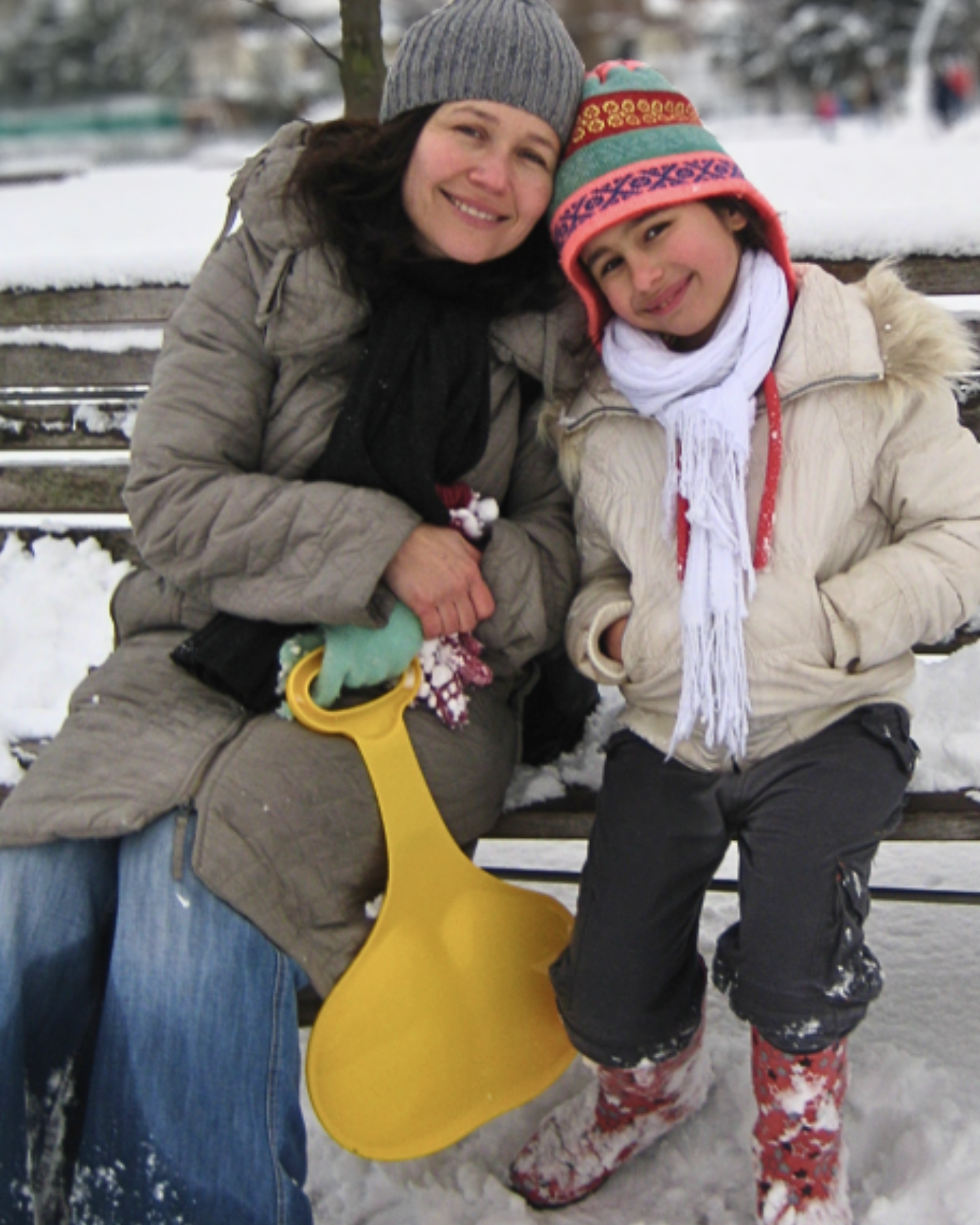
Tanya and Natasha in the snow
Why mental health support matters
These struggles are often silent and go unseen. That’s why supporting the mental wellbeing of people with food allergies is now central to our mission through Allergy School.
Through expert-led programmes, tailored resources and ongoing research, we are working to ensure that children, teenagers and young adults receive not only practical tools, but also the emotional understanding and support they urgently need.
No young person should have to face these challenges alone.
The Big Give, your donation will be doubled
From 2–9 December, every pound you give becomes £2.
This Christmas, we are aiming to raise £75,000 to develop Allergy School’s new Mental Health Space.
To better support children, teenagers and young adults who face anxiety, isolation and daily fear because of food allergies.